
Why Oak Barrels Changed the World of Tea
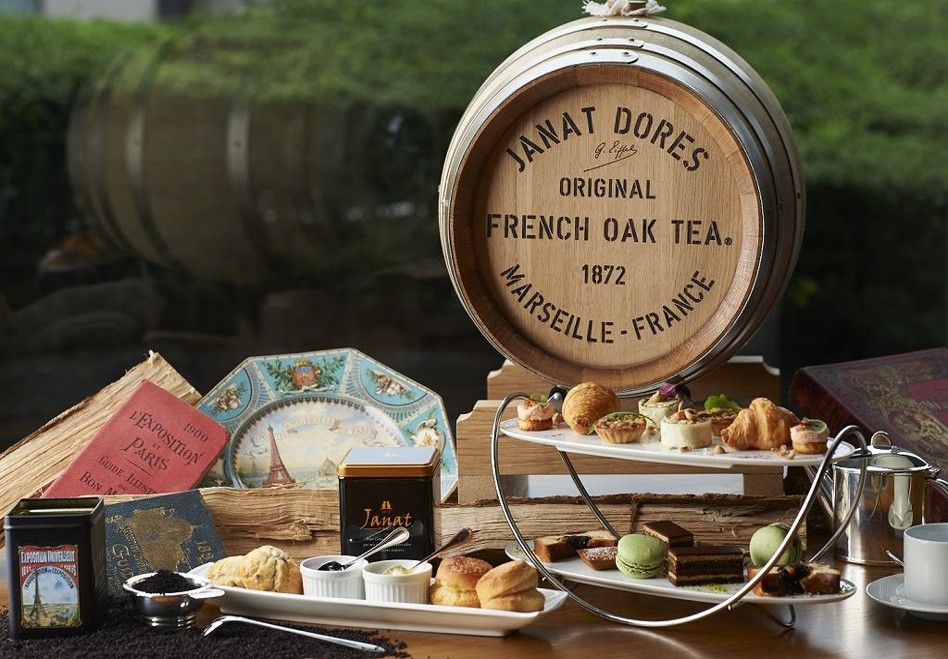
Introduction: A New Dimension in Tea
Tea has always been defined by origin.
Altitude, soil, climate, and harvest have shaped how tea is understood for centuries. These elements determined flavour, quality, and value. Unlike wine or spirits, tea was rarely transformed after processing. It was preserved, transported, and consumed, but not evolved.
Oak changed that.
By introducing ageing into tea, oak barrels brought something entirely new: time as an active ingredient.
What Is Oak Barrel Aged Tea?
Oak barrel aged tea is a process in which tea leaves are matured inside oak barrels, allowing a natural interaction between the wood and the leaves over time.
Nothing is added. The tea is not flavoured.
Instead, it evolves.
Through subtle oxygen exchange and continuous contact with the oak, the leaves gradually develop deeper aroma, smoother texture, and a more layered flavour profile. This process creates what can be described not simply as tea, but as matured tea.
The Missing Dimension: Transformation
In the world of wine, barrels are not passive containers. They are active participants in the evolution of flavour.
They breathe, they interact, and they transform.
This principle was largely absent from tea. Once processed, tea was considered complete. Oak introduced a different philosophy, shifting tea from completion to evolution.
Inside the barrel, the tea continues to change. Its structure softens, its aromatic profile integrates, and its depth increases over time. What emerges is not a modified product, but a transformed one.
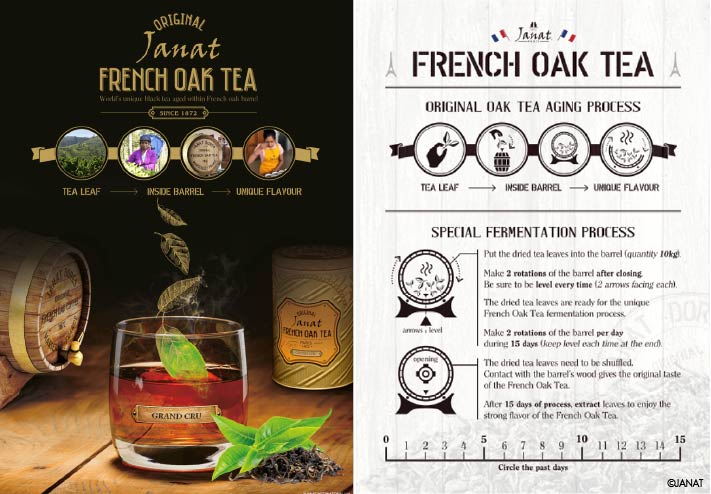
How Oak Barrels Transform Tea
The transformation is both subtle and profound.
The porous nature of oak allows a controlled exchange of oxygen, which softens sharper notes and enhances roundness. At the same time, the wood itself contributes delicate aromatic compounds, often perceived as gentle vanilla, warm wood, or a light smokiness. Over time, the structure of the tea evolves, resulting in a fuller body, a smoother mouthfeel, and a longer, more complex finish.
These changes bring tea closer to the sensory experience traditionally associated with fine wine.
From Freshness to Maturation
Traditional tea culture places great importance on freshness.
Oak ageing introduces a new perspective, where maturation becomes equally valuable. Rather than preserving tea in its initial state, the process allows it to evolve gradually.
Time becomes part of the flavour.
Sharpness softens, complexity emerges, and balance is achieved not instantly, but through controlled transformation. This represents a fundamental shift in how tea can be understood and appreciated.
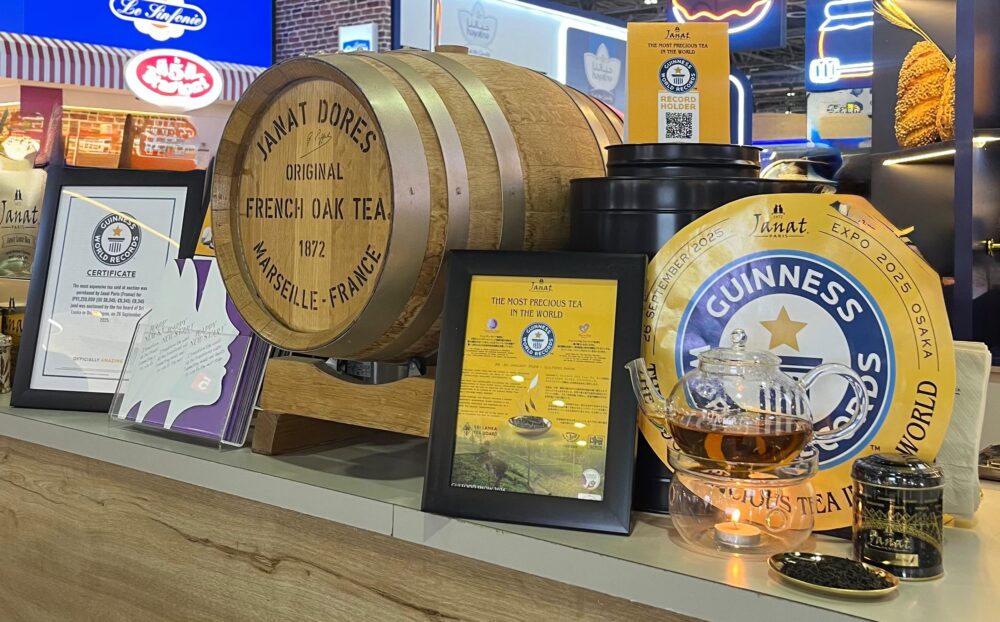
Craftsmanship Beyond the Leaf
The influence of oak is not only scientific. It is deeply rooted in craftsmanship.
Each barrel carries its own identity. The origin of the wood, the grain, and the level of toasting all shape the final result. In regions such as Reims in France, barrel-making is recognised as a protected heritage craft, requiring precision and experience.
When tea is aged in these barrels, it inherits more than flavour. It carries the imprint of that craftsmanship.
JANAT introduced this approach by creating the world’s first French oak barrel-aged tea, bringing techniques from wine culture into tea and establishing a new standard of innovation .
A New Category of Premium Tea
Oak ageing has given rise to a new category within the tea world.
Matured tea is no longer defined solely by its origin, but by the combination of origin and process. Each batch reflects not only the terroir of the plantation but also the influence of time and the character of the barrel.
This creates a form of tea that is inherently limited, more complex, and higher in perceived value. It marks a transition from tea as a commodity to tea as a crafted product.
From Commodity to Experience
One of the most significant changes brought by oak ageing is a shift in perception.
Tea moves beyond daily consumption and enters the realm of experience. Drinking becomes tasting, and attention turns to aroma, texture, and evolution in the cup.
The way tea is approached begins to resemble the world of wine. Questions arise not only about where the tea was grown, but how it was aged and what makes each batch distinct.
This transformation elevates tea into a more refined and intentional experience.
Why Oak Barrel Aged Tea Matters Today
Consumer expectations are evolving.
There is a growing demand for authenticity, craftsmanship, and depth. Oak barrel aged tea responds to this shift by offering a product that carries both story and substance.
It connects tradition with innovation, bringing together natural origin and human expertise. In doing so, it aligns tea with a broader cultural movement towards premium, experience-driven products.
Expanding the World of Tea
Oak barrels did not simply introduce a new flavour profile.
They introduced time, transformation, and craftsmanship into tea.
By allowing tea to evolve beyond its original state, oak ageing expands what tea can be. It transforms a simple leaf into a layered experience, shaped by both nature and human skill.
In this evolution, tea moves closer to the world of fine wine, while remaining grounded in its own heritage.
Oak did not change tea.
It expanded its world.