
Decaf and Low-Caffeine Teas That Still Taste Premium
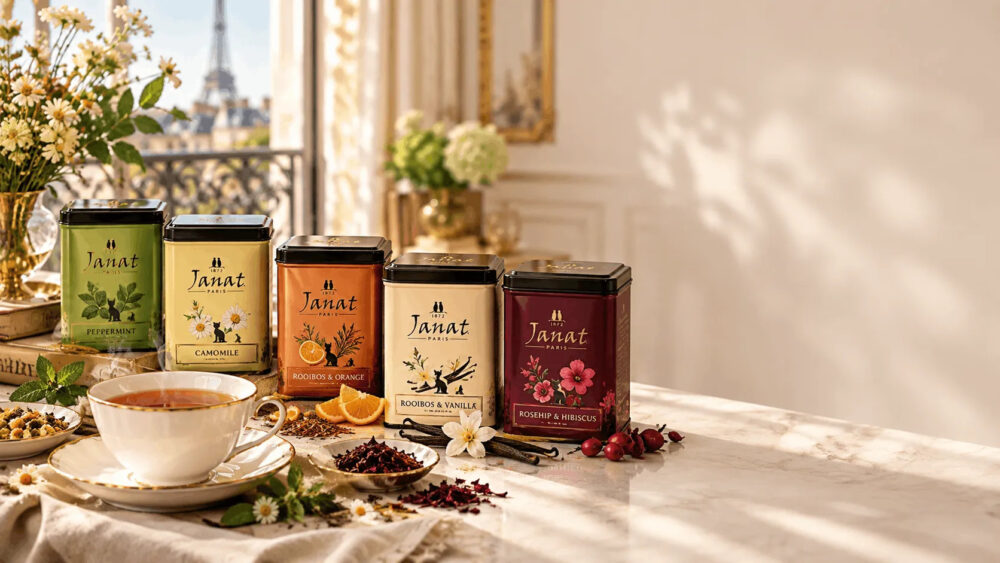
There are times when you want a cup of tea for the flavour, warmth and simple pleasure of the ritual — but not necessarily the caffeine.
Maybe you enjoy tea after dinner. Perhaps you are trying to reduce your daily caffeine intake. Or you simply want something gentle enough to enjoy throughout the day without giving up the experience of a beautifully made cup of tea.
The good news is that choosing less caffeine does not have to mean choosing less flavour.
From naturally sweet rooibos and fragrant chamomile to refreshing peppermint and fruit-forward herbal infusions, there is an entire world of teas and tisanes that can deliver aroma, character and depth without relying on a strong caffeine kick.
For a French tea house such as JANAT Paris, founded in 1872, the pleasure of tea has always been about more than stimulation. It is about aroma, flavour, discovery and taking a moment to enjoy what is in your cup.
So, if you are searching for premium decaf tea, caffeine-free tea or lower-caffeine alternatives, here is what you should know.
Decaf, Low-Caffeine and Caffeine-Free Tea: What Is the Difference?
These terms are often used as if they mean the same thing, but there is an important difference.
Decaffeinated tea
Traditional tea comes from the Camellia sinensis plant. Black tea, green tea, white tea and oolong all come from this plant and naturally contain caffeine.
A tea described as decaffeinated has normally gone through a process that removes most of its natural caffeine.
It may still contain a small amount, so “decaf” does not always mean completely caffeine-free.
Low-caffeine tea
Low-caffeine tea simply contains less caffeine than stronger alternatives.
Green tea, for example, will generally contain less caffeine per cup than many black teas, although the exact amount can vary according to the leaves, brewing temperature, quantity used and steeping time.
That makes lower-caffeine tea useful for people who want to reduce caffeine rather than avoid it completely.
Naturally caffeine-free tea
This is where herbal infusions and rooibos become especially interesting.
Chamomile, peppermint, hibiscus and rooibos do not come from the traditional tea plant. Because of this, they can be naturally caffeine-free rather than having caffeine removed afterward.
JANAT’s own tea guidance makes this distinction, noting that herbal infusions and rooibos can provide naturally caffeine-free alternatives.
Does Caffeine-Free Tea Have to Taste Boring?
Not at all.
One reason some people hesitate to switch from black tea is that they expect caffeine-free tea to taste weak, watery or medicinal.
But caffeine itself is not what creates all the flavour in your cup.
Flavour can come from flowers, herbs, fruit, citrus peel, spices, vanilla and naturally aromatic plants such as rooibos.
The result can be surprisingly complex.
A good caffeine-free cup can be:
- floral and gently sweet;
- fresh and cooling;
- rich and vanilla-like;
- bright and citrusy;
- tart and fruity;
- warming and comforting.
The key is choosing the flavour profile that suits your taste.
Premium Caffeine-Free Teas to Explore from JANAT Paris
JANAT’s Garden Series is a particularly useful place to start for people looking for caffeine-free choices. The current range includes herbal and rooibos selections such as Camomile, Peppermint, Rosehip & Hibiscus, Rooibos & Orange and Rooibos & Vanilla.
Here are some of the easiest ways to choose between them.
1. Camomile – Soft, Floral and Perfect for a Quiet Cup
Some evenings call for something simple.
Camomile has a naturally gentle, lightly sweet and floral character. Instead of the stronger tannic taste associated with black tea, it gives you a softer cup that is easy to sip slowly.
JANAT describes its Garden Series Camomile as having the natural sweet flavour of chamomile flowers.
It can be an excellent option if you enjoy:
- delicate floral flavours;
- caffeine-free evening drinks;
- simple tea without heavy sweetness;
- a calm after-dinner tea ritual.
Try serving it without milk first so you can appreciate its natural aroma.
2. Peppermint – Fresh, Clean and Refreshing
If floral teas are not your preference, peppermint provides a completely different experience.
The flavour is clean, cooling and immediately refreshing.
It works particularly well after food or when you want a lighter drink than traditional black tea.
JANAT’s Garden Series includes Peppermint among its herbal selections, making it another straightforward caffeine-free choice.
You can enjoy peppermint hot during cooler months or let it cool and serve it over ice for a refreshing drink.
3. Rooibos & Orange – Caffeine-Free Without Losing Depth
Rooibos is one of the most interesting alternatives for people who love a fuller cup of tea.
Unlike some delicate herbal infusions, rooibos has its own naturally rounded character.
JANAT pairs it with orange in its Rooibos & Orange blend, combining the gentle sweetness of rooibos with a brighter citrus aroma.
This can be a good starting point if you normally drink flavoured black tea but want to move towards caffeine-free options.
The orange gives the blend freshness while rooibos provides enough body to make the cup feel satisfying.
4. Rooibos & Vanilla – A Softer, More Indulgent Cup
Prefer something warmer and slightly more comforting?
JANAT’s Rooibos & Vanilla combines rooibos with the delicate scent of vanilla from Madagascar.
It is a useful example of why caffeine-free tea does not have to feel like a compromise.
Vanilla adds aroma and a dessert-like quality without turning the drink into a heavy beverage.
This style of tea works particularly well:
- after dinner;
- during an evening reading break;
- alongside a simple biscuit or dessert;
- when you want something richer than a plain herbal infusion.
5. Rosehip & Hibiscus – Bright, Fruity and Naturally Vibrant
Caffeine-free tea does not always need to be subtle.
If you enjoy brighter flavours, Rosehip & Hibiscus offers a completely different character.
Hibiscus brings noticeable tartness while rosehip adds a fruitier dimension. JANAT currently includes the blend in its Garden Series.
It is especially interesting for people who enjoy fruit tea because it can be served both hot and chilled.
For warmer days, try brewing it in advance, allowing it to cool and serving it over ice.
What About JANAT French Oak Tea?
JANAT’s French Oak collection gives tea drinkers another flavour direction.
The French Oak Series includes several traditional teas alongside French Oak Camomile Verbena Tea, which JANAT describes as suited to a peaceful cup before bedtime.
Chamomile and verbena naturally fit the softer, botanical side of tea drinking, while the French Oak concept gives the collection a distinctive JANAT story.
JANAT’s broader French Oak range uses oak ageing to influence aroma and character, with its Original French Oak Tea associated with gentle woody and vanilla notes.
This makes the collection worth exploring if you want something more distinctive than an everyday herbal infusion.
Looking for Less Caffeine Rather Than Zero Caffeine?
Not everyone needs to remove caffeine completely.
You may simply want to reduce how much you drink.
In that case, a lighter tea can also be worth exploring.
Green tea still contains caffeine, so it should not be confused with caffeine-free herbal tea. However, JANAT’s own tea guide notes that green tea generally contains less caffeine per cup than black tea, although the level can vary considerably according to the tea and brewing method.
JANAT’s collections include Japanese green tea selections such as Japanese Sencha, while the French Oak range also includes French Oak Green Tea.
If you are sensitive to caffeine or have been advised to avoid it altogether, choose a clearly caffeine-free product rather than assuming green tea contains none.
How to Choose the Right Caffeine-Free Tea for Your Taste
Still unsure where to begin?
Think about the flavours you already enjoy.
| If You Like… | Try… | Taste Direction |
|---|---|---|
| Soft floral flavours | Camomile | Gentle, floral, lightly sweet |
| Fresh flavours | Peppermint | Cool, clean and refreshing |
| Citrus | Rooibos & Orange | Rounded with bright orange notes |
| Vanilla and comforting flavours | Rooibos & Vanilla | Smooth, aromatic and softly sweet |
| Fruity and tart flavours | Rosehip & Hibiscus | Bright, lively and refreshing |
| Botanical evening blends | French Oak Camomile Verbena | Soft, aromatic and relaxing in style |
You do not need to find the “perfect” tea immediately.
Part of enjoying tea is discovering which aromas and flavours naturally appeal to you.
Can You Drink Caffeine-Free Tea Throughout the Day?
For many people, naturally caffeine-free herbal and rooibos blends make it easier to enjoy tea at different times of the day.
You might choose:
Morning: Your usual black tea or green tea.
Afternoon: A lighter tea or rooibos blend.
After dinner: Camomile, peppermint or another caffeine-free botanical infusion.
Evening: A gentle caffeine-free blend such as Camomile or French Oak Camomile Verbena.
It means you do not necessarily have to reduce the number of tea moments you enjoy — you can simply change what goes into the cup.
How to Make Caffeine-Free Tea Taste More Premium
Even good tea can disappoint if it is prepared without care.
A few simple habits can make a noticeable difference.
Start with fresh water rather than water that has been repeatedly boiled.
Follow the recommended brewing instructions for the particular tea or infusion, because herbal blends and traditional teas may require different steeping times.
Give the ingredients enough room and time to release their aroma.
And before adding sugar or milk, taste the tea on its own.
Premium tea should offer enough aroma and character to be enjoyable before anything is added.
For rooibos or fruitier blends, you can also experiment with serving them chilled.
Premium Tea Is About the Experience, Not Just the Caffeine
For many tea lovers, the best part of tea is not the caffeine.
It is opening the tin.
Smelling the leaves and botanicals.
Waiting while the tea brews.
Watching the colour develop.
And finally taking a few quiet minutes to enjoy the cup.
That experience can be just as satisfying with a caffeine-free tea.
JANAT Paris has been creating tea collections around flavour, aroma and tea culture since 1872 and today offers classic black teas, French Oak Tea, fruit selections, herbal blends and professional tea collections.
So whether you are moving away from caffeine completely or simply looking for a gentler option later in the day, there is no reason to settle for a bland cup.
Discover JANAT’s Caffeine-Free and Caffeine-Conscious Tea Options
Not sure whether Camomile, Rooibos, Peppermint, French Oak Camomile Verbena or another JANAT tea is right for you?
Tell JANAT what flavours you enjoy, when you normally drink tea and whether you want caffeine-free, decaf or simply a lower-caffeine option.
The JANAT team can help you explore suitable teas from the current collection and advise on product availability for your market.
Explore JANAT tea collections or contact JANAT Paris to enquire about caffeine-free, decaf and lower-caffeine tea options.
Frequently Asked Questions
Is decaf tea completely caffeine-free?
Not necessarily. Decaffeinated traditional tea has had most of its caffeine removed but may still contain a small amount. Naturally caffeine-free herbal infusions and rooibos are different because they do not rely on traditional tea leaves.
Which JANAT teas are caffeine-free?
JANAT’s Garden Series includes caffeine-free options such as Camomile, Peppermint, Rosehip & Hibiscus, Rooibos & Orange and Rooibos & Vanilla. Availability may vary by market.
Does rooibos contain caffeine?
Pure rooibos is naturally caffeine-free because it does not come from the Camellia sinensis tea plant.
Is green tea caffeine-free?
No. Green tea naturally contains caffeine, although it often contains less per cup than many black teas. The amount varies according to the tea and how it is brewed.
What caffeine-free tea is suitable for the evening?
People often choose softer herbal and rooibos options in the evening. JANAT offers Camomile and French Oak Camomile Verbena alongside other caffeine-free Garden Series selections.
Can caffeine-free tea still taste premium?
Yes. Premium flavour can come from high-quality herbs, flowers, fruits, rooibos, spices and careful blending. A caffeine-free tea can be floral, fruity, citrusy, refreshing or rich depending on its ingredients.
Find your next cup.
Need help choosing your tea? Tell us what you enjoy, and our team will help you find your next cup.