
Earl Grey Tea Explained: Taste, Origins and How to Enjoy It
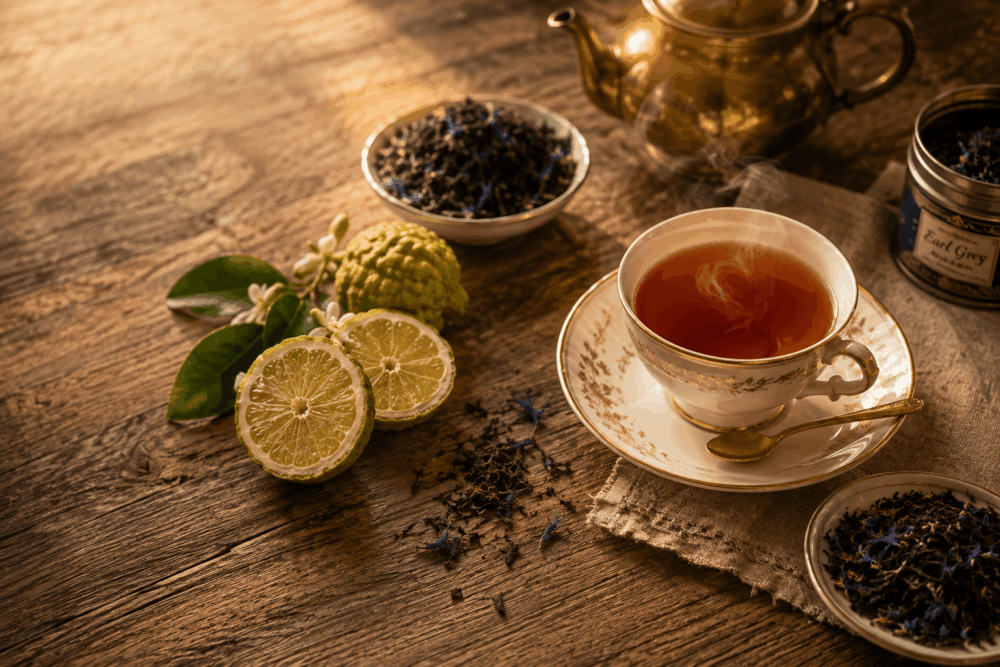
There is something quietly magical about the smell of Earl Grey tea. The moment hot water touches those dark leaves, a soft citrus aroma fills the room, and for a second, everything slows down. Whether you are sipping it in a small café in London, a busy kitchen in Mumbai, or a quiet apartment in New York, Earl Grey has a way of making people pause and enjoy the moment.
This tea has been loved for almost two hundred years, and it is still one of the most popular teas in the world today. But what actually is Earl Grey? Where did it come from? Why does it taste the way it does? And how can you enjoy it the right way, whether you like it hot, iced, plain, or with milk?
In this guide, we will walk through everything about Earl Grey tea in simple, everyday language. No confusing tea jargon, no complicated brewing science. Just honest, clear information for anyone who loves tea, or wants to start loving it.
What Is Earl Grey Tea?
Earl Grey is not a specific type of tea leaf. It is a flavored tea. This is one of the most common misunderstandings people have. Many think Earl Grey is grown as its own special plant, but that is not true.
At its heart, Earl Grey is usually made from black tea leaves that are flavored with oil from the peel of a citrus fruit called bergamot orange. This bergamot oil is what gives Earl Grey its unique smell and taste, something between orange, lemon, and a light floral note, but with its own personality that is hard to compare to anything else.
So, in simple words:
Earl Grey = Black tea + Bergamot flavoring
Some versions use green tea or white tea as the base instead of black tea, and some add extra ingredients like lavender, vanilla, or cornflower petals. But the one thing that never changes is the bergamot. Without bergamot, it simply is not Earl Grey.
The Story Behind the Name: Where Did Earl Grey Come From?
Every good cup of tea has a story, and Earl Grey’s story is full of mystery, legend, and a bit of British history.
The tea is named after Charles Grey, the 2nd Earl Grey, who served as the Prime Minister of the United Kingdom in the early 1830s. “Earl” here is not a first name. It is a British noble title, similar to how someone might be called “Lord” or “Duke.” So Earl Grey simply means “the Earl named Grey.”
Now, how did a Prime Minister end up with a tea named after him? There are a few popular stories, and honestly, nobody knows for certain which one is completely true. That is part of the charm.
Story One: The Diplomatic Gift One popular story says that a Chinese mandarin, or a diplomat, gave Earl Grey a gift of tea blended with bergamot oil as a thank-you gesture, possibly after a British diplomat saved his son’s life. The Earl liked it so much that he asked a tea merchant to recreate it for his household.
Story Two: The Hard Water Fix Another story is more practical. It suggests that the tea was blended with bergamot to balance out the taste of the hard, mineral-heavy water found at Howick Hall, the Earl’s family estate in Northumberland, England. The citrus oil helped soften the taste of the tea when made with that particular water.
Story Three: A Clever Marketing Trick Some historians believe that tea companies simply created the story and the name as a smart way to sell more tea, giving a fancy blend a noble and respectable name to attract customers.
Whichever story is true, one company that is closely linked to the popularity of Earl Grey tea is Twinings, a British tea company that has been making Earl Grey blends since the 1830s. Over time, more tea companies around the world started making their own versions, and today Earl Grey is enjoyed on nearly every continent.
Understanding Bergamot: The Star Ingredient
To really understand Earl Grey, you need to understand bergamot, because it is the heart and soul of this tea.
Bergamot is a citrus fruit that looks a bit like a small, bumpy orange or a slightly yellow lime. It grows mainly in the Calabria region of Southern Italy, where the climate and soil are perfect for it. Interestingly, bergamot is not very pleasant to eat on its own. It is too bitter and sour for most people’s taste. But the oil extracted from its peel is incredibly fragrant and valuable.
This oil is used in two big industries: perfumery and tea flavoring. In fact, bergamot oil is a key ingredient in many classic perfumes, including the famous Eau de Cologne. So in a way, when you smell Earl Grey tea, you are smelling something very close to a fine perfume, just in a cup.
The taste of bergamot is hard to describe in one word. People often say it is:
- Citrusy, like orange and lemon mixed together
- Slightly floral, almost like lavender
- A little spicy or peppery in the background
- Sharp and refreshing, not sweet at all
This is exactly why Earl Grey tea has such a distinct flavor. It is not just “flavored tea.” It has a personality of its own.
What Does Earl Grey Tea Actually Taste Like?
If you have never tried Earl Grey before, you might be wondering how to imagine its flavor. Let us break it down simply.
Imagine you are drinking a cup of regular black tea. It is strong, a little bitter, warm, and comforting. Now imagine someone adds a splash of fresh citrus zest into that cup, along with a hint of something floral, like walking past a garden of flowers on a spring morning. That combination is close to what Earl Grey tastes like.
Here is a simple taste breakdown:
- The base (black tea): Strong, slightly bitter, warm, and full-bodied
- The bergamot: Bright, citrusy, floral, a little sharp
- The overall feeling: Refreshing yet cozy at the same time
Because of this balance, Earl Grey works well any time of the day. It has enough boldness to wake you up in the morning, yet enough floral softness to feel relaxing in the evening.
It is worth mentioning that not all Earl Grey teas taste the same. The flavor can change depending on:
- The quality of the black tea used – some blends use high quality leaves, others use lower grade tea dust in tea bags
- The amount of bergamot oil added – too much can taste soapy or overpowering, too little can taste weak
- Natural vs artificial bergamot flavoring – natural bergamot oil tends to taste smoother and more authentic
- Added ingredients – some blends include cornflower petals, vanilla, lavender, or even a touch of citrus peel for extra flavor
This is why trying a few different brands of Earl Grey can actually feel like trying completely different teas.
Different Types of Earl Grey You Should Know About
Over the years, tea makers have experimented with the original Earl Grey recipe to create fun variations. Here are some popular ones you might come across.
Classic Earl Grey
This is the traditional version made with black tea and bergamot oil. Simple, balanced, and timeless.
Lady Grey
A softer, milder version created by Twinings. It usually has added citrus peels like orange and lemon, along with cornflower petals, making it lighter and less intense than classic Earl Grey.
Earl Grey Cream (or Earl Grey Vanilla)
This version adds a smooth vanilla flavor to the classic blend. It creates a creamy, dessert-like taste that many people enjoy in the evening.
French Earl Grey
Often includes added flower petals like rose or cornflower, along with citrus peel, giving it a more decorative, romantic flavor.
Green Earl Grey
Instead of black tea, this version uses green tea as the base. It is lighter, slightly grassy, and pairs interestingly with the citrus notes of bergamot.
London Fog Blend
Not exactly a type of Earl Grey itself, but a popular drink made using Earl Grey tea, steamed milk, and a little vanilla or sugar. Very popular in cafés.
Trying different types can help you figure out exactly what style of Earl Grey suits your personal taste.
Health Benefits of Earl Grey Tea
While tea should never replace medical advice or treatment, Earl Grey does offer some nice everyday benefits, mainly because of its black tea base and the properties of bergamot.
1. Contains Antioxidants Black tea is rich in antioxidants called polyphenols, which help the body fight off everyday cell damage caused by stress and pollution.
2. May Support Heart Health Some studies suggest that the flavonoids found in black tea may support healthy blood circulation and heart function when part of a balanced lifestyle.
3. Can Help with Focus and Alertness Earl Grey contains a moderate amount of caffeine, generally less than coffee, along with an amino acid called L-theanine. Together, these can create a calm, focused kind of alertness, rather than a jittery caffeine rush.
4. May Support Digestion Some people enjoy a cup of Earl Grey after meals, as black tea is traditionally believed to help with digestion.
5. Aromatherapy-Like Comfort The scent of bergamot alone has a calming effect on many people, similar to how lavender is used in aromatherapy. Simply smelling the tea while it brews can feel relaxing.
Of course, everyone’s body reacts differently, and it is always wise to enjoy tea in moderation, especially because of its caffeine content.
How to Brew Earl Grey Tea the Right Way
Making a good cup of Earl Grey does not require any fancy equipment. You just need a few simple steps to bring out the best flavor.
What You Need
- Earl Grey tea leaves or tea bags
- Fresh water
- A cup, mug, or teapot
- A timer (or your phone)
- Milk, honey, sugar, or lemon (optional, based on preference)
Step-by-Step Brewing Guide
Step 1: Boil Fresh Water Use fresh, clean water. Avoid reheating old water, as it can taste flat.
Step 2: Let the Water Cool Slightly Black tea, which Earl Grey is usually based on, brews best with water just below full boiling point, around 90 to 95 degrees Celsius (195 to 205 degrees Fahrenheit). If you do not have a thermometer, simply let boiling water sit for about 30 seconds before pouring.
Step 3: Add Your Tea Use about one teaspoon of loose leaf tea, or one tea bag, per cup of water. If you like it stronger, you can add a little more.
Step 4: Steep for 3 to 5 Minutes This is important. Steeping for too long can make the tea bitter, while steeping too little can leave it weak and watery. Start checking around the 3-minute mark and adjust based on your taste.
Step 5: Remove the Tea Bag or Strain the Leaves Once it reaches your preferred strength, take out the tea bag or strain the leaves so it does not become overly bitter.
Step 6: Add Your Extras (Optional) This is where personal preference comes in. Some people enjoy it completely plain to taste the pure bergamot flavor. Others add a splash of milk, a spoon of honey, a slice of lemon, or a bit of sugar.
Popular Ways to Enjoy Earl Grey Tea
One of the best things about Earl Grey is how flexible it is. There is no single “correct” way to drink it. Here are some popular styles enjoyed by tea lovers around the world.
1. Classic Hot Earl Grey
Simply brewed and enjoyed plain, or with a touch of lemon. This lets the citrus and floral notes shine clearly.
2. Earl Grey with Milk
A very British style of drinking it. The milk softens the citrus edge and adds a creamy comfort to the cup, similar to how people enjoy regular black tea.
3. Iced Earl Grey
Perfect for warm weather. Brew it a little stronger than usual, let it cool, then pour over ice. Add a slice of orange or lemon for extra freshness.
4. Earl Grey Latte (London Fog)
Made by combining strongly brewed Earl Grey with steamed milk and a touch of vanilla syrup or honey. This has become a favorite in cafés worldwide.
5. Earl Grey with Honey and Lemon
A soothing combination, especially nice during cold weather or when you have a sore throat.
6. Earl Grey Infused Desserts
Beyond drinking, Earl Grey is often used to flavor cakes, cookies, ice cream, and even chocolate truffles. Its citrusy, floral taste blends beautifully into baked goods.
Tips for Choosing a Good Earl Grey Tea
With so many brands available, choosing the right Earl Grey can feel confusing. Here are some simple tips to help you pick a good one.
- Check the ingredients list. Look for “black tea” and “natural bergamot oil” or “bergamot flavoring” near the top of the list. Avoid ones where artificial flavoring is the very first or dominant ingredient if you prefer a more natural taste.
- Loose leaf vs tea bags. Loose leaf tea generally offers a fresher, fuller flavor because the leaves have more room to expand while brewing. Tea bags are more convenient but sometimes use lower quality tea dust.
- Smell before you buy, if possible. A good Earl Grey should smell fresh and citrusy, not dull or dusty.
- Try smaller quantities first. Instead of buying a large box right away, try a small pack or a few tea bags from a new brand to see if you enjoy the flavor before committing to a bigger purchase.
- Store it properly. Keep your tea in an airtight container, away from sunlight, moisture, and strong smells, so it stays fresh for longer.
Common Mistakes to Avoid While Making Earl Grey
Even a simple tea like Earl Grey can be easily ruined with a few small mistakes. Here is what to watch out for.
Using boiling hot water straight away: This can make the tea taste bitter and harsh. Let the water cool slightly before pouring.
Steeping for too long: Leaving the tea bag in for 10 minutes because you got busy will likely give you a bitter, overly strong cup. Set a timer.
Using old or stale tea: Tea does lose its flavor over time, especially if stored badly. Always check for a fresh, pleasant smell before brewing.
Adding too much milk: A small splash is enough. Too much milk can completely hide the delicate citrus and floral notes that make Earl Grey special.
Reusing tea bags multiple times: While it might seem economical, reused tea bags usually give a much weaker and less enjoyable cup.
Why Earl Grey Tea Continues to Be Loved Worldwide
Nearly two centuries after it first appeared, Earl Grey remains one of the most recognized and loved teas across the globe. But why has it stayed so popular for so long?
Part of the reason is its balance. It is bold enough for tea lovers who enjoy strong black tea, yet fragrant and light enough to feel special and different from an everyday cup. It works beautifully hot or cold, plain or with milk, simple or fancy, which makes it incredibly versatile for different moods, seasons, and occasions.
There is also a sense of comfort and tradition attached to Earl Grey. It carries a bit of British history and elegance, yet it has been embraced and reimagined by cultures all around the world, from cafés in Paris adding lavender, to bakeries in Japan using it to flavor cakes, to households in India enjoying it with a splash of milk and sugar, much like their local chai.
At the end of the day, Earl Grey is more than just tea. It is a small, everyday ritual. A quiet five minutes with a warm cup in your hands, a gentle citrus aroma in the air, and a moment to simply slow down.
Final Thoughts
Earl Grey tea beautifully combines rich history, delicate flavor, and everyday comfort into a single cup. From its mysterious origins linked to a British Prime Minister, to the fragrant bergamot oil that gives it such a unique personality, there is so much more to this tea than most people realize.
Whether you are a long-time tea lover who has enjoyed Earl Grey for years, or someone who is just discovering it for the first time, there has never been a better time to slow down, brew a fresh cup, and truly enjoy everything this classic tea has to offer.
So the next time you make yourself a cup of Earl Grey, take a moment before your first sip. Breathe in that citrusy, floral aroma, and appreciate the almost two-hundred-year-old story sitting quietly in your cup.
Find your next cup.
Need help choosing your tea? Tell us what you enjoy, and our team will help you find your next cup.