
How to Store Tea Properly and Keep It Fresh for Longer
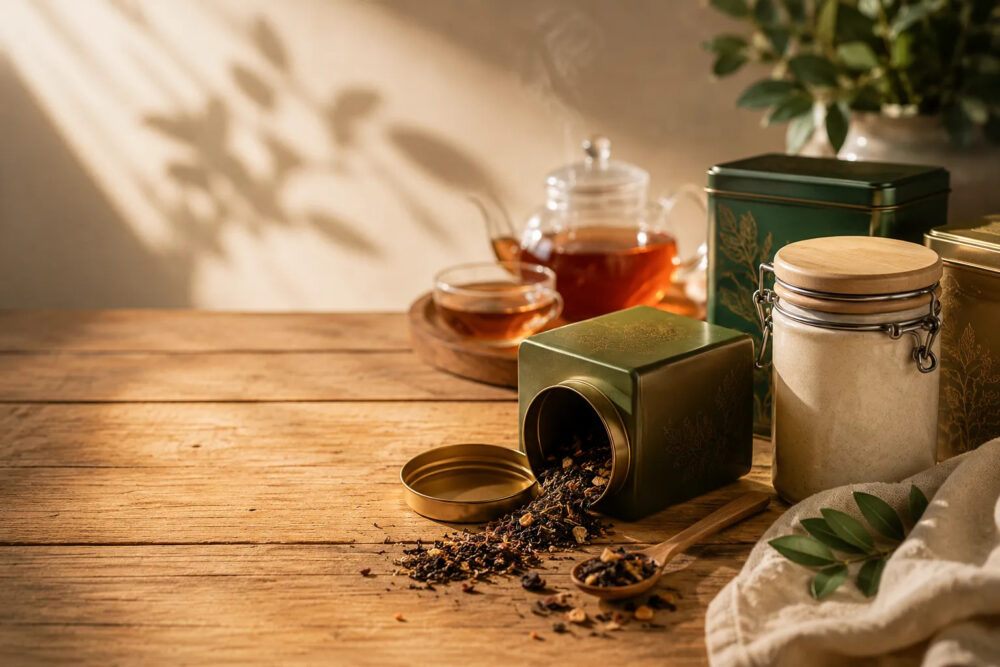
If you love tea, you already know that a good cup can turn an ordinary moment into something special. Whether you enjoy a strong cup of black tea in the morning, a light green tea in the afternoon, or a calming herbal blend before bed, one thing is true for every tea lover around the world — fresh tea simply tastes better.
But here’s the problem. Many of us spend good money buying quality tea leaves, only to let them lose their flavour because of poor storage. You open the tin after a few weeks, take a sniff, and something feels missing. The aroma is weaker. The taste is flat. What happened?
The answer is simple. Tea is a delicate product. It reacts to its surroundings much more than people realise. Air, light, heat, and moisture are constantly working against your tea, slowly stealing away its freshness, one day at a time.
The good news? You don’t need any fancy equipment or expensive gadgets to keep your tea fresh. You just need to understand a few simple rules and follow them consistently. In this guide, we’ll walk through everything you need to know about storing tea properly, in plain and simple language, so that even if you’re a complete beginner, you’ll walk away knowing exactly what to do.
Why Proper Tea Storage Matters So Much
Tea leaves are not just dried plant material sitting in a bag. They are full of natural oils, delicate compounds, and aromas that give tea its flavour and smell. These elements are sensitive. The moment tea leaves are exposed to the wrong conditions, they begin to change — and not in a good way.
Think of tea leaves a bit like fresh herbs from your kitchen garden. Leave them out in the open, and they wilt, dry out unevenly, or pick up smells from everything around them. Tea behaves in a very similar way. It absorbs odours from its environment, loses its natural oils when exposed to air, and breaks down faster when exposed to heat or sunlight.
This is why two people can buy the exact same tea from the exact same shop, yet one person’s tea tastes amazing three months later, while the other person’s tea tastes dull and lifeless. The difference almost always comes down to storage.
The Four Enemies of Fresh Tea
Before we talk about solutions, it helps to understand what you’re actually fighting against. There are four main enemies that damage tea over time.
1. Air
Oxygen is one of the biggest threats to tea freshness. When tea leaves are exposed to air for long periods, a process called oxidation speeds up. This changes the flavour, dulls the aroma, and makes the tea taste stale much faster than it should.
2. Light
Sunlight and even strong artificial light can break down the natural compounds in tea leaves. This is especially true for delicate teas like green tea and white tea, which are more fragile than heavily processed teas like black tea.
3. Heat
Warm temperatures speed up the breakdown of essential oils in tea. This is why storing tea near your stove, oven, or in a hot kitchen cupboard is one of the most common mistakes people make.
4. Moisture
Tea leaves are naturally dry, and they need to stay that way. Moisture in the air can be absorbed by tea leaves, leading to mould growth or a musty smell. Once moisture gets in, there is often no way to reverse the damage.
Now that you know the enemies, let’s talk about how to protect your tea from all four of them.
Rule 1: Always Use an Airtight Container
This is, without doubt, the single most important rule of tea storage. If you remember nothing else from this article, remember this one point.
Tea should always be kept in a container that seals tightly, with little to no air gap. Every time you open a loosely sealed bag or a container with a weak lid, fresh air rushes in and slowly wears down the tea’s flavour.
Good options for airtight storage include:
- Tin containers with tight-fitting lids
- Glass jars with rubber seals or clamp-style lids
- Ceramic canisters designed specifically for tea storage
- Resealable pouches with a proper zip-lock seal, if a tin or jar isn’t available
Try to avoid keeping tea in the original paper bag it came in, unless that bag has a strong resealable strip. Paper bags are usually meant for short-term freshness during transport, not for long-term storage at home.
A simple tip many experienced tea drinkers use is to divide their tea into smaller portions. Instead of opening one big container every single day, which lets air in repeatedly, keep a small amount in a daily-use container and store the rest, undisturbed, in a larger sealed container. This way, the bulk of your tea stays protected while only a small portion is exposed to air regularly.
Rule 2: Keep Tea Away from Light
Tea should always be stored somewhere dark. This means avoiding clear glass jars placed on open shelves, near windows, or under bright kitchen lights.
If you love the look of glass jars and want to display your tea collection, that’s completely fine — just make sure to place them inside a cabinet, drawer, or pantry where light can’t reach them directly. Alternatively, choose opaque containers like tin, ceramic, or coloured glass that blocks light from passing through.
This single change — moving your tea out of direct light — can make a noticeable difference in how long your tea stays fresh.
Rule 3: Store Tea in a Cool Place
Heat is not kind to tea. The warmer the environment, the faster your tea will lose its flavour and aroma. This means you should avoid storing tea:
- Directly above or near your stove
- Inside a cabinet next to your oven
- On a countertop that receives direct sunlight through a window
- Near any other heat-generating appliance, like a toaster or microwave
Instead, choose a cool, stable spot in your kitchen or pantry. A cupboard away from appliances, or a dedicated tea drawer, works beautifully. The goal is consistency — tea prefers a steady, moderate temperature rather than one that keeps rising and falling throughout the day.
A quick note here: many people wonder if the refrigerator or freezer is a good place to store tea. In most cases, it’s better to avoid this, especially for daily-use tea. Refrigerators are full of moisture and strong smells from other food items, and tea easily absorbs both. If you live in an extremely hot and humid climate and truly have no cooler storage option, only then should you consider refrigeration, and even then, the tea must be triple-sealed in an airtight bag inside a solid container to avoid moisture and odour absorption. Once you take it out, let it reach room temperature before opening the container, so condensation doesn’t form on the leaves.
Rule 4: Protect Tea from Moisture
Since tea leaves are dry by nature, any exposure to moisture can quickly ruin them. This is especially important to remember if you live somewhere humid.
Here are some simple ways to protect your tea from moisture:
- Always store tea away from the sink, stove, or dishwasher, where steam is common
- Never scoop tea with a wet spoon
- Keep the storage container’s lid closed at all times when not in active use
- Avoid storing tea in the bathroom or anywhere with high humidity, even if it seems like a convenient spot
If you ever notice a musty smell, clumping, or any sign of mould on your tea leaves, it’s best to discard that batch. Unfortunately, once moisture has damaged tea, there’s no way to bring back its original quality.
Rule 5: Keep Different Teas Separate
Tea leaves are like little sponges when it comes to smell. They pick up odours from anything nearby, which can be a wonderful thing when done intentionally, like when flavoured teas are scented with fruits or flowers, but a problem when it happens by accident.
If you store your green tea right next to a strong spice blend or a scented herbal tea, don’t be surprised if your green tea starts smelling like something else entirely.
To avoid this, always store different types of tea in separate, sealed containers. This is especially important for delicate teas like green tea, white tea, and jasmine tea, which are more sensitive to outside smells compared to stronger teas like black tea or chai blends.
Rule 6: Buy in Smaller Quantities
Here’s a mindset shift that can genuinely change your tea-drinking experience. Instead of buying large quantities of tea to save money, consider buying smaller amounts more frequently.
Tea is at its best within a certain window after it’s been processed and packaged. While properly stored tea can certainly last for many months, the freshest and most flavourful cup always comes from tea that hasn’t been sitting around for too long.
If you find a tea you truly love, it may be tempting to stock up. But unless you’re confident in your storage setup and know you’ll use it within a reasonable time, smaller and more frequent purchases will usually reward you with a better cup every time.
How Long Does Tea Actually Stay Fresh?
This is one of the most common questions tea lovers ask, and the honest answer is that it depends on the type of tea.
Generally speaking, more delicate teas like green tea and white tea are best enjoyed within about six months to a year for peak freshness. More oxidised teas like black tea and dark oolong tend to hold their flavour a bit longer, often up to two years, when stored properly. Certain aged teas, like well-made pu-erh, are actually meant to develop and improve with age, and are a wonderful exception to the general rule.
The key point to remember is that tea doesn’t suddenly become undrinkable after a certain date. Instead, it slowly loses its vibrancy and flavour over time. Proper storage simply slows this process down, so you get to enjoy that fresh, lively taste for much longer.
Simple Signs Your Tea Has Lost Its Freshness
You don’t need any special tools to check if your tea is still good. Just trust your senses.
- Smell it. Fresh tea has a noticeable aroma. If the smell feels weak, flat, or almost non-existent, freshness has likely faded.
- Look at it. The leaves should still hold some colour and shape. Dull, faded, or overly dry-looking leaves are a sign of ageing.
- Taste it. This is the final test. If a cup that used to taste rich and flavourful now tastes thin, bitter, or simply boring, it’s a clear sign the tea has passed its best days.
None of these signs mean the tea is unsafe to drink, in most cases. They simply mean you won’t be getting the best experience it once offered.
A Few Extra Tips from Experienced Tea Drinkers
- Keep a small label or note on your container mentioning the date you opened it. This small habit helps you keep track of freshness without any guesswork.
- If you travel often or take tea to work, consider a small dedicated travel tin instead of repeatedly opening your main storage container.
- Clean your storage containers occasionally and let them dry completely before adding new tea, to avoid any leftover smells affecting your next batch.
- Trust your senses over strict expiry dates. A tea that smells and tastes wonderful is still enjoyable, even if it’s a little older than expected.
Final Thoughts
Storing tea properly isn’t complicated, and it doesn’t require any special skills. It simply comes down to a few consistent habits — keeping your tea sealed, cool, dark, dry, and away from strong smells.
Once these habits become second nature, you’ll notice a real difference in your cup. That gentle aroma, that rich flavour, that comforting warmth you fell in love with in the first place — it will stay with you for much longer.
So the next time you bring home a fresh batch of tea, whether it’s a delicate green tea, a bold black tea, or a comforting herbal blend, give it the storage it deserves. Your future cup of tea will thank you for it.
Here’s to fresher tea and better cups, wherever in the world you’re brewing from.
Find your next cup.
Need help choosing your tea? Tell us what you enjoy, and our team will help you find your next cup.