
50 Most Popular Tea Flavours in the World: Which One Should You Try?
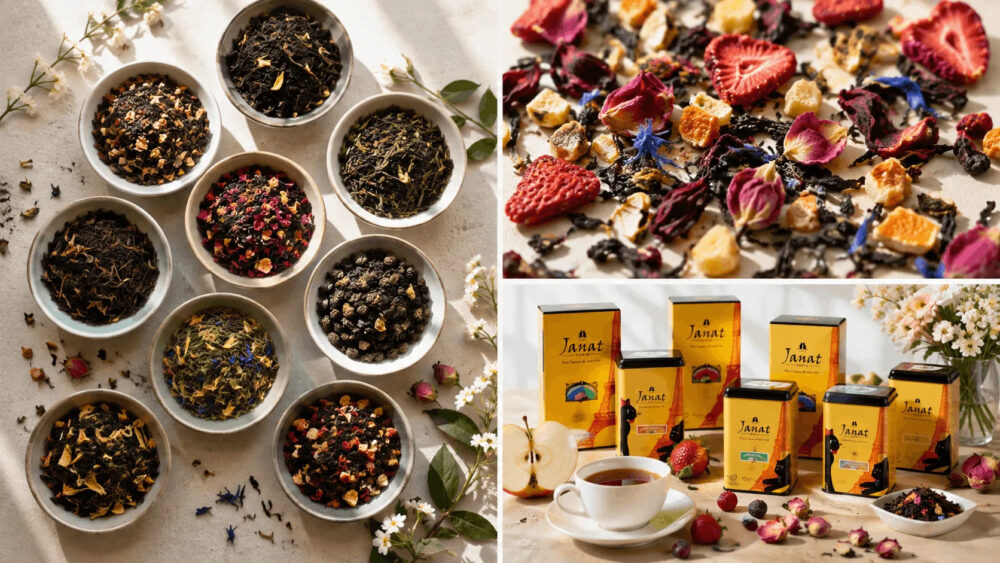
Walk into any tea shop, or scroll through an online tea collection, and you’ll quickly run into the same problem: there are simply too many options. Fruity blends sit next to floral ones, spiced chais compete for attention with delicate green teas, and it’s not always clear which flavour actually matches what you enjoy drinking.
This guide is designed to make that choice easier. Instead of listing flavours at random, we’ve grouped 50 popular tea flavours by taste profile — fruity, floral, citrusy, spiced, fresh, and more — so you can quickly find something that suits your palate, whether you’re new to flavoured tea or already have a favourite blend in mind.
You’ll also find practical guidance on which flavours tend to work well hot, which hold up nicely over ice, and what to look for when judging the quality of a flavoured tea. By the end, you should have a much clearer sense of where to start — or where to explore next.
What Do We Mean by “Tea Flavour”?
The phrase “tea flavour” gets used loosely, so it helps to separate a few different ideas before diving into the list.
- Natural leaf character: Tea made purely from the Camellia sinensis plant already has flavour, shaped by where it’s grown, how it’s processed, and which leaves are picked. A Darjeeling and an Assam taste different from each other without a single added ingredient.
- Scented tea: Tea leaves absorb aroma easily, so some teas are scented using natural elements such as flowers. Jasmine tea is the best-known example, made by layering tea leaves with fresh jasmine blossoms.
- Fruit-flavoured tea: Tea blended with dried fruit pieces, fruit essences, or natural flavouring to create profiles like peach, strawberry, or mango.
- Herbal infusions: Strictly speaking, these aren’t “tea” at all, since they contain no tea leaf. Chamomile and hibiscus are infusions made from dried flowers or plants, though they’re commonly sold and discussed alongside tea.
- Spiced tea: Tea blended with spices such as cinnamon, cardamom, or ginger — masala chai being the most recognisable example.
- Flavoured/blended tea: A broad category covering black, green, or white tea combined with fruit, flowers, spices, or flavouring to create a distinct final taste.
Understanding these distinctions makes it easier to know what you’re actually buying, and why two teas described as “flavoured” can taste completely different.
Quick Guide: Find a Tea Flavour You’ll Probably Enjoy
If you already have a rough sense of what you like, this table is a fast way to narrow things down.
| Taste Preference | Tea Flavours to Explore |
|---|---|
| Fresh & Light | Green tea, jasmine, mint |
| Citrusy | Earl Grey, bergamot, lemon, yuzu |
| Fruity | Peach, strawberry, apple, raspberry |
| Floral | Jasmine, rose, lavender |
| Sweet / Dessert-like | Vanilla, caramel |
| Spicy | Chai, cinnamon, ginger, cardamom |
| Bold | Assam, breakfast-style black tea |
| Unusual / Premium | French Oak-style teas |
Think of this as a starting point rather than a rulebook — many tea lovers enjoy flavours across several of these categories.
50 Tea Flavours Worth Exploring
Classic Tea Flavours
1. Earl Grey — Black tea flavoured with bergamot, giving it a citrusy, slightly floral aroma alongside the tea’s natural body. Popular with people who enjoy citrus notes without full fruitiness. Works well hot, and reasonably well iced.
2. English Breakfast — A blend (often Assam, Ceylon, or Kenyan tea) built for a strong, brisk, malty cup. A dependable choice for those who like their tea bold, usually taken with milk. Best hot.
3. Assam — A black tea from India’s Assam region, known for a deep, malty, full-bodied character. Suits people who want a robust morning tea. Traditionally hot.
4. Darjeeling — Often called the “champagne of teas,” Darjeeling is lighter and more delicate than Assam, with muscatel, slightly fruity notes. Appeals to drinkers who prefer nuance over strength. Best hot.
5. Ceylon — Black tea from Sri Lanka, generally bright, brisk, and slightly citrusy. A versatile everyday tea that also works well iced.
Fruity Tea Flavours
6. Peach — Sweet, soft, and rounded, peach tea is one of the most approachable fruit flavours and a common starting point for beginners. Usually blended with black or green tea. Enjoyable both hot and iced.
7. Strawberry — Bright, sweet, and slightly tangy, strawberry pairs naturally with black or green tea bases. A popular iced tea choice in warmer months.
8. Apple — Crisp and mildly sweet, apple-flavoured tea often has a comforting, orchard-like aroma. Works well with black tea, and pairs nicely with a hint of cinnamon.
9. Raspberry — Tart and vibrant, raspberry adds a fruity sharpness that contrasts well with milder tea bases. Good iced on a warm day.
10. Cherry — Rich and slightly sweet-tart, cherry tea has a deeper fruit character than lighter fruits like peach. Pairs well with black tea.
11. Pear — Delicate and subtly sweet, pear is a softer fruit note often used to round out blends rather than dominate them.
12. Mango — Tropical, sweet, and fragrant, mango works particularly well in green or white tea bases and is a strong choice for iced tea.
13. Passion Fruit — Tangy and aromatic, with a distinctive tropical sharpness. Popular in fruit and herbal infusions, and well suited to iced serving.
14. Forest Fruits — A blend of berries (often blackberry, raspberry, and blackcurrant), offering a deep, jammy fruit profile. Good for those who want fruitiness without excessive sweetness.
15. Strawberry & Kiwi — Combines strawberry’s sweetness with kiwi’s slight tartness for a rounded, refreshing fruit blend, often enjoyed iced.
16. Peach & Pear — Two soft, sweet fruits combined for a gentle, easy-drinking flavour that suits beginners.
17. Muscat/Grape — Offers a light, wine-like sweetness reminiscent of muscat grapes, often found paired with black tea for a more refined fruit profile.
Citrus Tea Flavours
18. Bergamot — The citrus fruit behind Earl Grey, bergamot has a fragrant, slightly floral citrus aroma, more perfume-like than a typical orange or lemon.
19. Lemon — Bright, sharp, and clean, lemon tea is a familiar, refreshing choice that works particularly well iced.
20. Orange — Sweeter and softer than lemon, orange adds a warm citrus note that pairs comfortably with black tea.
21. Yuzu — A Japanese citrus fruit with a floral, slightly tart profile that sits between lemon and mandarin. Popular with drinkers looking for something less common than standard citrus.
22. Lemon & Ginger — Combines lemon’s brightness with ginger’s warmth and gentle spice, a combination many people find comforting.
23. Blood Orange — Deeper and slightly berry-like compared to standard orange, blood orange adds complexity to citrus blends.
Floral Tea Flavours
24. Jasmine — Green tea scented with jasmine blossoms, delivering a fragrant, slightly sweet floral aroma without overwhelming the tea’s natural taste. A gentle, popular entry point into floral teas.
25. Rose — Soft, perfumed, and delicate, rose pairs well with black tea and is often used in smaller amounts to avoid overpowering the blend.
26. Lavender — Distinctly floral with a slightly herbal edge, lavender is a more polarising flavour — some find it soothing, others find it soap-like, so it’s worth trying in small amounts first.
27. Chamomile — A caffeine-free herbal infusion made from dried chamomile flowers, with a mild, honey-like, apple-adjacent flavour. Traditionally enjoyed in the evening, hot.
28. Hibiscus — Tart, deep red, and cranberry-like, hibiscus is a herbal infusion popular both on its own and blended with fruit. Excellent iced.
29. Rosehip & Hibiscus — Combines hibiscus’s tartness with rosehip’s fruitier, slightly sweeter edge, often used as the base of fruit infusions.
Green & Refreshing Tea Flavours
30. Sencha — A classic Japanese green tea with a grassy, slightly vegetal freshness. A good introduction to green tea for newcomers.
31. Mint Green Tea — Green tea combined with mint leaves for a cooling, refreshing profile that works well both hot and iced.
32. Moroccan Mint — Traditionally made with green tea and fresh spearmint, sweetened to taste. A well-known, widely enjoyed combination.
33. Lemongrass — Citrusy yet herbal, lemongrass adds a light, zesty freshness often used in green tea or herbal blends.
34. Peppermint — Sharper and cooler than spearmint, peppermint tea is a caffeine-free herbal option often enjoyed after meals.
Spiced Tea Flavours
35. Masala Chai — Black tea blended with spices such as cardamom, cinnamon, cloves, and ginger, traditionally prepared with milk. Warming and full-flavoured, best enjoyed hot.
36. Cinnamon — Warm and slightly sweet, cinnamon adds a comforting spice note that pairs naturally with black tea, especially in colder months.
37. Cardamom — Aromatic and slightly citrusy-sweet, cardamom is a defining note in many chai blends and also works well on its own with black tea.
38. Ginger — Sharp, warming, and slightly peppery, ginger tea (often blended with lemon) is a popular choice for a bracing, comforting cup.
39. Spiced Apple — Combines apple’s sweetness with warming spices like cinnamon or clove, popular in autumn and winter.
Sweet & Dessert-Inspired Tea Flavours
40. Vanilla — Smooth, sweet, and creamy in aroma, vanilla is one of the most popular dessert-style flavours and pairs well with black tea. A gentle, comforting choice for evenings.
41. Caramel — Rich and sweet, caramel adds a dessert-like depth to black tea, appealing to those who enjoy an indulgent, cosy cup.
42. Chocolate/Cacao — Deep and slightly bitter-sweet, chocolate-flavoured tea offers dessert character without the richness of an actual hot chocolate.
43. Honey — Naturally sweet and floral, honey-flavoured tea (or tea simply sweetened with real honey) offers gentle sweetness without heaviness.
44. Strawberry & Vanilla — Combines fruity sweetness with creamy vanilla for a rounded, dessert-like profile that appeals to a wide range of palates.
Distinctive & Premium Tea Experiences
45. French Oak — A more unusual flavour profile built around the warm, slightly woody, vanilla-adjacent character associated with oak barrel ageing. Appeals to drinkers who enjoy something richer and less conventional than fruit or floral teas.
46. Oak & Vanilla — Combines oak’s woodiness with vanilla’s sweetness for a rounded, dessert-like yet sophisticated cup.
47. French Earl Grey — A variation on classic Earl Grey, often layered with additional floral or fruity notes such as rose or cornflower alongside bergamot, for a softer, more fragrant take on the original.
48. Rooibos & Orange — Rooibos is a naturally caffeine-free South African infusion with a slightly sweet, woody character; combined with orange, it becomes a warm, citrus-forward option suitable for evening drinking.
49. Apple & Oak — Pairs the crispness of apple with oak’s deeper, warming notes for a blend that sits between fruity and rich.
50. Muscat & Darjeeling — Highlights Darjeeling’s natural muscatel character, sometimes enhanced with a touch of muscat grape flavouring for a more pronounced, wine-like sweetness.
A note on accuracy: some of the combinations above (particularly in the “Distinctive & Premium” category) describe general flavour concepts found across the tea industry rather than confirmed, specific product formulations. Anyone sourcing a particular blend should confirm exact ingredients with the tea house or brand in question.
Which Tea Flavour Is Best for Beginners?
There’s no universally “correct” starting point — it depends on what you already enjoy in food and drink. That said, a few general starting points tend to work well:
- If you like citrus → Earl Grey is a gentle, widely available introduction to citrus-flavoured tea.
- If you like fruit → Peach or strawberry tend to be mild, sweet, and easy to enjoy without much adjustment.
- If you prefer fresh flavours → Mint or a light green tea offers a clean, uncomplicated profile.
- If you enjoy floral aromas → Jasmine is a good entry point, since it’s fragrant without being heavy.
- If you prefer dessert-like flavours → Vanilla or caramel provide comforting sweetness without added sugar.
- If you enjoy spices → Masala chai is a flavourful, well-established option, especially with milk.
These are starting suggestions based on common preferences, not fixed rules — plenty of tea drinkers eventually enjoy flavours outside their original comfort zone.
Fruit Tea vs Floral Tea vs Spiced Tea
| Type | Typical Flavour Profile | Examples | Good Starting Point | Hot / Iced Suitability |
|---|---|---|---|---|
| Fruit Tea | Sweet, tart, or tropical | Peach, strawberry, mango, hibiscus | Peach | Both; often excellent iced |
| Floral Tea | Fragrant, delicate, sometimes perfumed | Jasmine, rose, lavender | Jasmine | Best hot, though jasmine also works well iced |
| Spiced Tea | Warm, aromatic, sometimes peppery | Chai, cinnamon, ginger | Masala Chai | Best hot |
Hot or Iced — Does the Tea Flavour Matter?
Flavour does influence how well a tea performs when served cold. As a general pattern:
- Fruity and citrus flavours (peach, strawberry, mango, lemon, hibiscus) tend to hold up particularly well iced, since chilling doesn’t dull their brightness.
- Floral flavours like jasmine can work either way, though some floral notes soften when cold.
- Spiced teas such as chai or cinnamon blends are generally better hot, since chilling can mute the warmth of the spices.
- Rich, dessert-style flavours (vanilla, caramel) are traditionally hot options, though some people do enjoy them cold with milk, similar to an iced latte.
This isn’t a strict rule — personal preference matters more than convention — but it’s a useful general guide when deciding how to prepare a new tea for the first time.
How to Choose Better Quality Flavoured Tea
Not all flavoured teas are created equal, and a strong scent isn’t automatically a sign of quality — sometimes it simply means more added aroma has been used to mask a lower-grade tea base. A few things worth checking:
- Quality of the tea base: Whole or larger leaf pieces generally indicate a higher-quality base than fine dust or fannings.
- Aroma balance: A good flavoured tea should smell balanced, not artificially overpowering.
- Visible ingredients: Where fruit pieces, petals, or spices are used, you should be able to see them in the blend, not just read about them on the packaging.
- Ingredient information: Clear labelling of what’s actually in the tea, including whether flavouring is natural or artificial.
- Freshness: Tea loses aroma and flavour over time, so check packaging dates where available.
- Appropriate packaging: Tea exposed to light and air degrades faster; opaque, sealed packaging helps preserve quality.
- Brewing instructions: Clear guidance on water temperature and steeping time suggests a brand that understands its own product.
- Balance between tea and flavour: The best flavoured teas complement the tea base rather than completely masking it.
Discovering Tea Through JANAT Paris
JANAT is a French tea house with a long-standing connection to tea craftsmanship, offering a range of collections that explore different tea styles and flavour families — from classic black and green teas to more distinctive, French-inspired blends.
For readers who enjoyed particular flavours in this guide, JANAT’s collections are a natural next step to explore further:
- Those drawn to bold, traditional flavours may want to look at JANAT’s Black Tea collections.
- Readers who preferred lighter, fresher profiles might explore the Green Tea collections.
- Anyone curious about the French Oak and premium flavour combinations mentioned above can look into JANAT’s French Oak Tea Series.
- Fans of floral or Provence-inspired blends may enjoy browsing the Provence Tea Series.
- Those who like the idea of curated, themed flavour exploration might appreciate the Garden Series, Journey Series, or Heritage Series.
(Collection names should be confirmed against JANAT’s current official catalogue before publishing, to ensure accuracy.)
The goal here isn’t to pick a single “best” JANAT tea, but to give readers a starting point for continuing their exploration beyond this guide.
How to Find Your Favourite Tea
If you’re still not sure where to begin, a simple three-step approach can help:
Step 1: Choose your preferred flavour family. Start broad — fruity, floral, citrus, spiced, or fresh — based on what you already enjoy in food and drink.
Step 2: Choose a tea base. Decide whether you’d prefer a black tea (bolder, fuller-bodied), a green tea (lighter, fresher), or a herbal infusion (naturally caffeine-free).
Step 3: Try it hot and iced, and adjust brewing to taste. Steeping time and water temperature can change a tea’s character significantly, so don’t judge a flavour on a single brew.
Tea preference is personal, and often takes a bit of experimentation to pin down — don’t be afraid to try flavours that seem unfamiliar at first.
Frequently Asked Questions
What are the most popular tea flavours?
Widely enjoyed flavours include Earl Grey, peach, jasmine, masala chai, mint, and vanilla, though popularity varies by region and personal taste.
Which tea flavour is best for beginners?
Milder, familiar flavours like peach, strawberry, or Earl Grey tend to be easier starting points than more distinctive profiles like lavender or French Oak.
What are the best fruity tea flavours?
Peach, strawberry, mango, and hibiscus are popular choices, especially for those who enjoy a naturally sweet or tart cup.
What is the difference between flavoured tea and herbal tea?
Flavoured tea is made from actual tea leaves (Camellia sinensis) combined with fruit, flowers, or spices. Herbal tea, or an infusion, contains no tea leaf at all — chamomile and hibiscus are examples.
What tea tastes naturally sweet?
Some teas, like certain Darjeelings, have a naturally fruity or slightly sweet character without any added flavouring, though most “sweet-tasting” flavoured teas achieve this through added fruit, vanilla, or caramel notes.
What tea flavours are good iced?
Fruity and citrus flavours — peach, strawberry, mango, lemon, and hibiscus — generally hold up particularly well when served cold.
What is Earl Grey flavoured with?
Earl Grey is traditionally flavoured with bergamot, a citrus fruit known for its distinctive, slightly floral aroma.
What is French Oak tea?
French Oak tea refers to a flavour profile built around warm, woody, vanilla-adjacent notes associated with oak. Exact formulations vary by brand.
How should flavoured tea be stored? Most flavoured teas keep best in an airtight container, away from direct light, heat, and moisture, to preserve aroma and flavour for longer.
Final Thoughts
There isn’t a single “best” tea flavour — only the flavour that best matches what you’re in the mood for. Some days call for something bright and fruity, others for a warming spiced cup, and others still for a quiet, floral moment with something like jasmine or rose. The point of a guide like this isn’t to crown a winner, but to help you find a starting point that actually suits your taste.
Explore JANAT’s tea collections and discover a flavour that matches your taste.
Find your next cup.
Need help choosing your tea? Tell us what you enjoy, and our team will help you find your next cup.