
How French Oak Can Influence the Aroma and Character of Tea
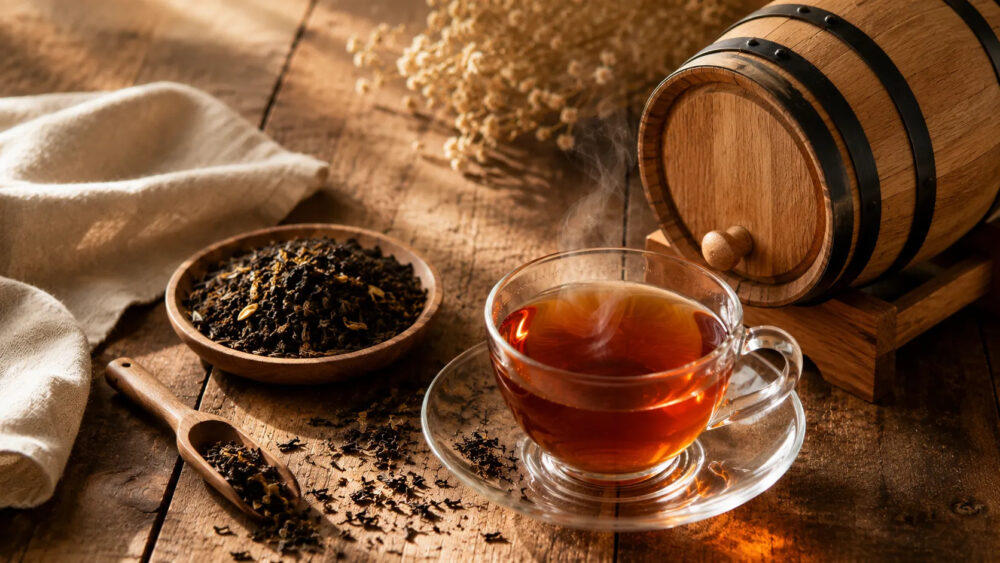
If you love tea, you probably already know that where it grows, how it is picked, and how it is processed can change its taste completely. But there is one more secret that many tea lovers around the world are just starting to discover — the wood used to age or store tea. And when that wood is French oak, something truly special happens.
French oak has been trusted by winemakers and whisky makers for centuries. It is known for giving drinks a soft, warm, and rich flavour without overpowering them. Now, more tea makers are using French oak barrels to age their tea, and the results are winning fans across the globe — from tea houses in Paris to quiet tea corners in Kyoto, and from busy cafés in New York to home kitchens in India.
In this blog, we will explore how French oak changes the smell and taste of tea, why it works so well, and why tea lovers everywhere are falling in love with this simple but powerful idea.
What Makes French Oak So Special?
Before we talk about tea, let’s understand French oak itself. French oak trees grow slowly in cool, damp forests across France, especially in regions like Limousin, Allier, and Tronçais. Because they grow slowly, their wood grain is tight and fine. This tight grain means the wood releases its flavours slowly and gently, instead of all at once.
This is very different from American oak, which grows faster and has a looser grain. American oak tends to give strong, bold flavours like vanilla and coconut quickly. French oak, on the other hand, gives softer notes like toast, spice, nut, and a light sweetness. It takes its time, just like a good cup of tea should.
This gentle nature is exactly why French oak works so beautifully with tea. Tea is a delicate drink. It does not need something loud sitting next to it. It needs a quiet partner that lifts its natural flavour instead of hiding it. French oak does just that.
The Aging Process: Where the Magic Happens
When tea leaves are placed in French oak barrels, something interesting starts to happen. The wood is not just a container. It is alive with tiny pockets of flavour built up from years of growing in the forest and, often, from wine or spirits that once rested in the same barrel.
As tea sits inside the barrel, it slowly absorbs small amounts of these wood compounds. Over weeks or months, the tea leaves begin to pick up gentle wood notes. At the same time, a very small amount of air moves through the wood grain. This slow breathing softens the tea and rounds off any sharp or bitter edges.
Think of it like a quiet conversation between the tea and the wood. Neither one shouts. They simply blend together, little by little, until the tea carries a new depth that was not there before.
How the Aroma Changes
Aroma is often the first thing we notice about tea, even before we take a sip. Close your eyes, lift the cup, and breathe in — that first smell tells your brain what to expect. French oak changes this experience in beautiful ways.
Warm and toasty notes
One of the first things people notice is a gentle toasty smell, almost like the smell of warm bread or lightly toasted nuts. This comes from the natural sugars inside the oak wood, which change slightly during the barrel-making process when the wood is lightly heated or “toasted.”
Soft vanilla and caramel touches
French oak carries a natural vanilla-like compound. In tea, this shows up as a soft sweetness in the smell, much lighter than what you would find in an oak-aged wine or whisky. It is subtle, almost like a whisper rather than a shout.
A hint of spice
Many tea drinkers describe a light spice note, similar to cinnamon or clove, after their tea has spent time in French oak. This adds warmth to the aroma without making the tea feel heavy.
Earthy, forest-like depth
Since French oak comes from old, quiet forests, it can also bring a gentle earthy smell, like a walk through the woods after rain. This works especially well with dark teas like pu-erh or aged black tea, which already have their own earthy character.
Balanced fruity undertones
If the oak barrel was previously used for wine, the tea may also carry very faint fruity notes, adding another interesting layer to the smell without taking away from the tea’s own identity.
How the Character and Taste Change
Aroma is only half the story. The character of tea — meaning its texture, body, and how it feels in your mouth — also changes with French oak.
Smoother mouthfeel
Tea aged in French oak often feels smoother on the tongue. The wood softens any harsh or sharp taste, giving the tea a rounder, more relaxed feel.
Deeper, longer finish
Normally, a cup of tea’s flavour fades quickly. But oak-aged tea tends to leave a longer, warmer finish, similar to the way a fine wine lingers after each sip.
Balanced sweetness
French oak naturally reduces bitterness. This means teas that were once slightly bitter or sharp can taste more balanced and rounded after some time in the barrel.
New layers of complexity
Perhaps the biggest gift French oak gives to tea is complexity. Instead of one simple flavour, you begin to notice several layers appearing one after another — first the tea’s own taste, then a gentle wood note, then a light spice, and finally a soft sweetness at the end. It becomes a journey rather than a single note.
Which Teas Work Best with French Oak?
Not every tea reacts the same way to oak aging. Some types benefit more than others because of their natural strength and structure.
- Black tea – Naturally bold and malty, black tea pairs beautifully with the toasty and spicy notes of French oak. The wood adds smoothness without hiding the tea’s own strong character.
- Pu-erh tea – This already-aged, earthy tea becomes even more interesting with oak. The wood’s forest-like quality matches perfectly with pu-erh’s deep, aged flavour.
- Oolong tea – With its mix of floral and roasted notes, oolong takes on a lovely balance when aged in oak, gaining warmth while keeping its floral lift.
- White tea – Delicate teas like white tea need only a very short time in oak, or a very gentle barrel, since too much wood flavour can easily overpower their soft, light nature.
Green tea is rarely aged in oak, since its fresh, grassy character is best enjoyed on its own, without wood influence.
Why Tea Lovers Around the World Are Excited About This
Tea culture is different in every country, but one thing is the same everywhere — people love discovering new layers of flavour in something they already cherish. French oak gives tea lovers exactly that.
In places with strong wine and whisky traditions, like France, Italy, and parts of the United States, oak-aged tea feels familiar and comforting, almost like a bridge between two beloved drinks. In tea-loving nations like China, Japan, India, and Sri Lanka, oak aging is being welcomed as an exciting new way to add depth to traditional teas without changing their soul.
For tea lovers who enjoy trying new things, French oak aged tea offers a way to slow down and really pay attention. It is not about drinking tea quickly. It is about pouring a cup, breathing in the aroma, noticing the wood, the spice, the sweetness, and then finally tasting it slowly, layer by layer.
This slower, more thoughtful way of enjoying tea connects people across cultures. Whether you are sipping tea in a quiet garden in Kyoto or relaxing in a cosy café in London, an oak-aged cup invites the same simple joy — the joy of noticing something new in something familiar.
How to Enjoy French Oak Aged Tea at Home
If you want to experience this for yourself, here are a few simple tips:
- Use plain water – Avoid strongly flavoured or mineral-heavy water, as it can hide the delicate oak notes.
- Warm your cup first – A warm cup helps release the aroma more clearly as soon as you pour the tea.
- Smell before you sip – Take a moment to breathe in the aroma before tasting. This is where you will notice the toasty, spicy, or sweet oak notes most clearly.
- Sip slowly – Oak-aged tea reveals itself in layers, so slow sipping helps you notice the changing flavours from the first sip to the last.
- Pair thoughtfully – Light pastries, dried fruits, or mild nutty snacks pair beautifully with oak-aged tea, without overpowering its gentle complexity.
Final Thoughts
French oak brings something quiet but powerful to the world of tea. It does not shout or take over. Instead, it gently wraps around the tea’s natural character, adding warmth, softness, and depth that make each cup feel a little more special.
For tea lovers everywhere, this is an invitation to slow down, breathe in deeply, and rediscover a drink they already love in a whole new way. Whether you are a lifelong tea drinker or someone just beginning to explore different flavours, French oak aged tea offers a simple, comforting, and beautifully complex experience — one warm cup at a time.
Frequently Asked Questions about French Oak tea (FAQs)
1. What is French oak, and why is it used with tea?
French oak is a type of wood from oak trees grown in French forests. It has a tight grain that releases flavour slowly, making it ideal for gently adding warmth, spice, and softness to tea without overpowering its natural taste.
2. How is tea aged in French oak different from regular tea?
Regular tea keeps its natural, simple flavour. Tea aged in French oak picks up extra layers like toasty, spicy, or lightly sweet notes from the wood, along with a smoother texture and longer-lasting finish.
3. Does French oak make tea taste like wine or whisky?
Not exactly. While French oak is also used for wine and whisky, in tea it adds only gentle wood-based notes. The tea still tastes like tea, just with added depth and warmth.
4. Which type of tea is best suited for French oak aging?
Black tea, pu-erh tea, and oolong tea generally respond very well to oak aging. Delicate teas like white tea and green tea are usually left with little or no oak influence to protect their light, fresh character.
5. How long does tea need to stay in a French oak barrel?
This can vary depending on the tea type and desired flavour, ranging from a few weeks to several months. Stronger teas can usually handle longer aging, while delicate teas need only a short time.
6. Is French oak aged tea more expensive than regular tea?
Yes, it is often priced higher because of the extra time, care, and specialised barrels involved in the aging process, along with the added complexity it brings to the final cup.
7. Can I age tea in French oak at home?
While it is possible with small oak accessories like oak chips or mini barrels, achieving the same balance and quality as professionally aged tea requires experience and careful control, so it is best left to skilled tea makers.
8. Does oak-aged tea contain more caffeine?
No, the caffeine level stays about the same as the original tea. French oak aging changes the aroma and taste, not the caffeine content.
Find your next cup.
Need help choosing your tea? Tell us what you enjoy, and our team will help you find your next cup.