
Tea and Food Pairing: Which Tea Goes Best with Your Meal?
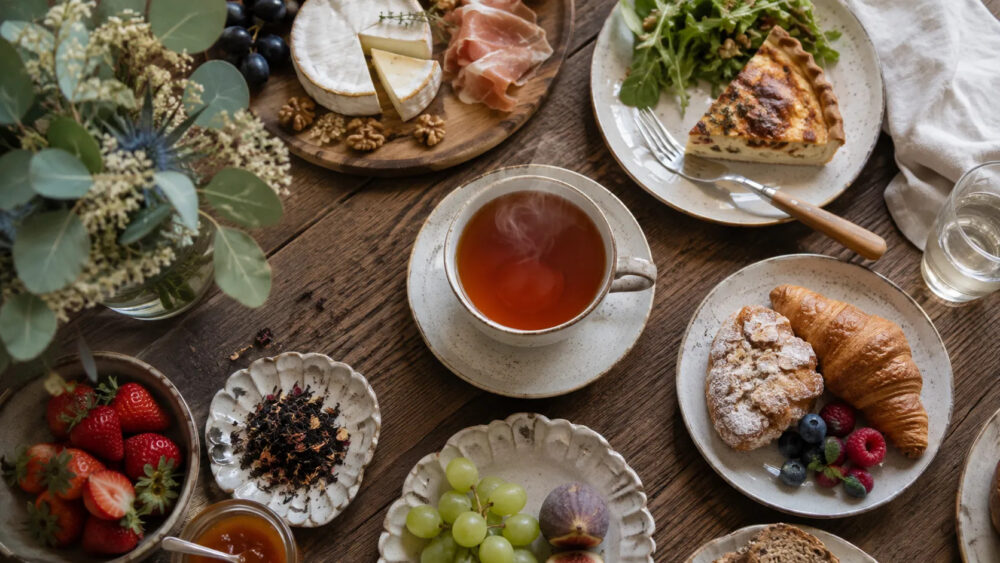
If you have ever sat down with a warm cup of tea and a plate of your favorite food, you already know that something magical happens when the two are matched well. A good cup of tea does not just sit beside your meal quietly. It talks to your food. It can lift the flavors, calm down the spice, add a little sweetness, or bring out a taste you did not even notice before. This is what tea and food pairing is all about, and once you understand the basics, you will never look at your teacup the same way again.
Tea lovers around the world, from the busy streets of Mumbai to the quiet tea houses of Kyoto, from London afternoon tea tables to New York coffee shops that also serve fine tea, have known this secret for centuries. Tea is not just a drink. It is a companion to food. And like any good companion, the right one makes everything better.
In this guide, we are going to walk through the simple art of pairing tea with food. No confusing terms, no fancy tasting notes that only a tea sommelier would understand. Just honest, easy to follow advice that you can use starting today, whether you are having breakfast, a quick lunch, a family dinner, or a sweet treat in the evening.
Why Does Tea and Food Pairing Even Matter?
Let us start with the basics. Why should you even think about which tea to drink with which food? Cannot you just drink any tea with any meal?
You can, of course. There is no rule that says you must pair tea carefully. But here is the thing. Just like wine changes the way food tastes, tea does the same thing, only in a gentler and healthier way. Tea has natural flavors that range from grassy and light, to smoky and bold, to sweet and floral. When you match these flavors with the right food, both the tea and the food taste better together than they would alone.
Think about it this way. If you eat a rich, buttery pastry and drink a light green tea, the tea can feel almost invisible next to the heavy taste of the pastry. But if you drink a strong black tea instead, it can cut through the butter and sugar, making both the tea and the pastry more enjoyable. On the other hand, if you are eating something light like a cucumber sandwich or a simple salad, a bold tea might overpower the dish completely, while a light green or white tea would let the fresh flavors shine.
This is the heart of tea and food pairing. It is about balance. You want the tea and the food to support each other, not compete with each other.
Understanding the Main Types of Tea
Before we jump into specific pairings, it helps to know the main families of tea. Do not worry, this is not going to be a complicated lesson. Think of it as getting to know old friends.
Green Tea is light, fresh, and slightly grassy. It is not roasted for long, so it keeps a lot of its natural plant flavor. Popular types include sencha and matcha from Japan, and longjing or gunpowder tea from China.
White Tea is the gentlest of all teas. It is barely processed, which gives it a soft, sweet, and delicate taste. Silver needle is a well known example.
Black Tea is bold, rich, and often slightly bitter or malty. This is the tea most people in India, the United Kingdom, and many parts of the world grew up drinking. Assam, Darjeeling, and English Breakfast tea all fall into this group.
Oolong Tea sits somewhere between green and black tea. It can be light and floral or deep and toasty, depending on how it is made. This tea is popular in China and Taiwan.
Herbal Tea is technically not tea at all, since it does not come from the tea plant. But we still call it tea because that is how most people know it. Chamomile, peppermint, hibiscus, and ginger tea all fall into this friendly category.
Pu-erh Tea is a fermented tea from China with a deep, earthy flavor. It is known for helping with digestion, which makes it a favorite after heavy meals.
Now that we know our tea family, let us talk about how to match them with your everyday meals.
Pairing Tea with Breakfast
Mornings are all about waking up gently and getting ready for the day. Your breakfast tea should do the same. It should be comforting, not overpowering, unless you are having a very hearty breakfast that needs something bold to match it.
If your breakfast is simple, like toast, eggs, or a light bowl of oatmeal, a soft black tea like English Breakfast or Assam works beautifully. These teas have a warm, malty flavor that goes well with butter, milk, and mild sweetness. This is exactly why English Breakfast tea got its name. It was made to be enjoyed alongside a full plate of eggs, bacon, and toast.
If you enjoy a lighter breakfast such as fruit, yogurt, or a simple pastry, try a green tea instead. Its fresh and slightly grassy taste pairs nicely with the natural sweetness of fruit and does not compete with lighter flavors.
For those who love spicy or heavily seasoned breakfasts, such as parathas with pickle or a spicy omelette, a strong Assam or Ceylon black tea can stand up to the spice and even help balance it out.
And if you are someone who enjoys a sweet breakfast, like pancakes with syrup or a cinnamon roll, consider chai. The warm spices in chai, like cardamom, cinnamon, and ginger, naturally complement sweet baked goods.
Pairing Tea with Lunch
Lunch is often a mix of flavors. You might have something light like a salad, or something heavier like a sandwich or a full meal with rice and curry. Because lunch varies so much, your tea choice should be flexible too.
For a light lunch such as a salad, soup, or sandwich, white tea or green tea works wonderfully. These teas are refreshing and will not overpower the delicate flavors of vegetables, herbs, or light dressings. A cucumber sandwich with a cup of white tea, for example, feels like a perfectly matched pair, both light, both fresh, both calming.
If your lunch includes rice, grains, or a hearty vegetable dish, oolong tea is a great choice. Its flavor sits in the middle, not too light and not too strong, so it works well with a wide variety of foods without overwhelming them.
For lunches with grilled or roasted meat, such as a chicken sandwich or grilled fish, black tea is your best friend. The boldness of black tea complements the smoky, savory flavors of grilled food, much like red wine does for meat lovers.
If you had a particularly oily or heavy lunch, consider ending it with a cup of pu-erh tea. This tea is well loved in Chinese culture for its ability to help the stomach feel settled after a rich meal.
Pairing Tea with Dinner
Dinner is usually the most relaxed meal of the day. It is when families and friends gather, when flavors are richer, and when there is more time to enjoy the meal slowly. This makes dinner a wonderful time to explore deeper, more complex teas.
If your dinner includes red meat, such as a steak or a hearty stew, a strong black tea or a dark oolong works beautifully. These teas have enough depth and body to match the richness of the meat without getting lost in the flavor.
For dinners centered around fish or seafood, green tea or a lighter oolong is often the better choice. Seafood tends to have a delicate flavor that can easily be overpowered by a strong tea, so something lighter allows the dish to remain the star of the meal.
If you are having a vegetarian dinner with lots of vegetables, lentils, or tofu, herbal teas like chamomile or a light green tea can be lovely, especially if the meal is on the healthier and simpler side.
For spicy dinners, which are common in many cuisines around the world, from Indian curries to Mexican dishes to Thai food, a slightly sweet or floral tea can help cool down the heat. Hibiscus tea, with its tart and slightly sweet flavor, is a favorite for this reason. Alternatively, a mellow black tea can also work if you prefer something less fruity.
And if your dinner ends with something creamy or cheesy, like a pasta dish or a cheese platter, black tea or a roasted oolong can cut through the richness and cleanse your palate between bites.
Pairing Tea with Desserts
This is where things get really fun, because desserts and tea have one of the most enjoyable relationships in the world of food and drink.
For chocolate desserts, such as brownies, chocolate cake, or hot chocolate flavored treats, black tea is a classic match. The slight bitterness in black tea balances the sweetness of chocolate, similar to how coffee pairs with chocolate.
For fruity desserts, such as fruit tarts, cheesecake with berries, or apple pie, green tea or white tea works beautifully. These teas have a light, clean taste that complements the natural sweetness of fruit without adding too much extra flavor.
For creamy desserts like custard, panna cotta, or vanilla ice cream, oolong tea is a lovely choice. Its slightly toasty, floral notes add an extra layer of enjoyment to creamy textures.
For spiced desserts, such as gingerbread, spice cake, or cinnamon rolls, chai is almost always the perfect match, since the same warm spices are often found in both the tea and the dessert.
And for those who enjoy a simple biscuit or cookie with their tea, which is a beloved tradition in many households, a classic black tea like Darjeeling or English Breakfast will always feel just right.
Pairing Tea with Snacks and Light Bites
Sometimes it is not a full meal but just a small snack that calls for a cup of tea. Whether it is an afternoon break at work or a quiet moment at home, the right tea can turn a simple snack into a comforting ritual.
For savory snacks like crackers, nuts, or cheese, oolong or black tea works nicely, since these teas have enough body to stand up to salty and savory flavors.
For light snacks like fruit slices or a small salad, green or white tea keeps things fresh and balanced.
For sweet snacks like cookies or small cakes, a mellow black tea or a floral oolong pairs nicely without being too heavy.
A Few Simple Rules to Remember
By now, you might be noticing a pattern in all these pairings, and that is exactly the point. Tea and food pairing does not need to be complicated once you understand a few simple rules.
Light food generally pairs well with light tea. Think green tea, white tea, and delicate oolongs alongside salads, seafood, and light breakfasts.
Rich or heavy food generally pairs well with bold tea. Think black tea, dark oolong, and pu-erh alongside red meat, fried food, and creamy dishes.
Spicy food often pairs well with slightly sweet or floral tea, since these flavors help cool down the heat and balance the spice.
Sweet desserts often pair well with tea that has a bit of bitterness or roasted flavor, since this creates a nice contrast that keeps the sweetness from feeling overwhelming.
And finally, when in doubt, matching similar flavor intensities is always a safe choice. Light with light, bold with bold, and you will rarely go wrong.
Tea Pairing Traditions Around the World
One of the most beautiful things about tea is how differently it is enjoyed across cultures, and each tradition offers its own lessons in food pairing.
In China, tea is often served alongside meals as a palate cleanser, with different teas chosen for different courses of a meal. Green tea might come with lighter dishes at the start of a meal, while pu-erh is saved for the richer dishes later on.
In Japan, matcha is traditionally paired with wagashi, which are delicate, not too sweet treats designed specifically to balance the slightly bitter taste of the tea.
In the United Kingdom, afternoon tea is a beloved tradition where black tea is paired with scones, finger sandwiches, and small cakes, creating a perfect balance of savory and sweet with a strong, comforting tea.
In India, chai is enjoyed throughout the day, often paired with samosas, biscuits, or pakoras. The bold, spiced flavor of chai stands up well to fried and savory snacks.
In the Middle East, mint tea is a common companion to sweet pastries like baklava, where the freshness of mint helps balance the heavy sweetness of honey and nuts.
No matter where you are in the world, this same idea shows up again and again. Tea and food are meant to be enjoyed together, each one making the other a little better.
Tips for Trying Tea and Food Pairing at Home
If you want to start experimenting with tea and food pairing at home, here are a few simple tips to help you get started without feeling overwhelmed.
Start with what you already have in your kitchen. You do not need to buy a dozen different teas right away. Begin with the tea you already enjoy and think about what kind of food might complement it.
Taste the tea on its own first. Before pairing it with food, take a moment to notice its flavor. Is it light or bold? Sweet or slightly bitter? This will help you understand what kind of food it might go well with.
Try small comparisons. If you have two different teas at home, try drinking a sip of each one with the same bite of food. You will quickly notice how differently the same food can taste depending on the tea.
Do not be afraid to experiment. Tea and food pairing is not an exact science with strict rules. It is more of a personal journey. What tastes perfect to one person might taste different to another, and that is perfectly okay.
Keep a small journal if you enjoy trying new combinations. Writing down what worked and what did not can help you build your own personal pairing guide over time.
Final Thoughts
Tea and food pairing is really about slowing down and paying attention to the small details that make a meal special. It is not about following strict rules or being an expert. It is about noticing how a warm cup of tea can change the way a simple meal feels, turning an ordinary breakfast into a cozy morning ritual, or a quiet dinner into a moment worth savoring.
Whether you are a lifelong tea drinker or someone just beginning to explore the world of tea, the next time you sit down for a meal, take a moment to think about what is in your cup. A small shift, from black tea to green tea, or from a plain cup to a lightly spiced chai, can completely change your experience.
Tea has been bringing people together for centuries, across every culture and every corner of the world. It has been a quiet companion to breakfast tables, family dinners, festive celebrations, and quiet evenings alone. And with a little thought and a little curiosity, it can become an even more meaningful part of the meals you share every single day.
So the next time you brew a cup of tea, look at your plate, and ask yourself a simple question. Which tea goes best with this meal? You might be surprised at how much more you enjoy both the tea and the food once you start paying attention.
Happy sipping, and happy pairing.
Find your next cup.
Need help choosing your tea? Tell us what you enjoy, and our team will help you find your next cup.