
What Is French Tea? A Guide to the French Art of Tea
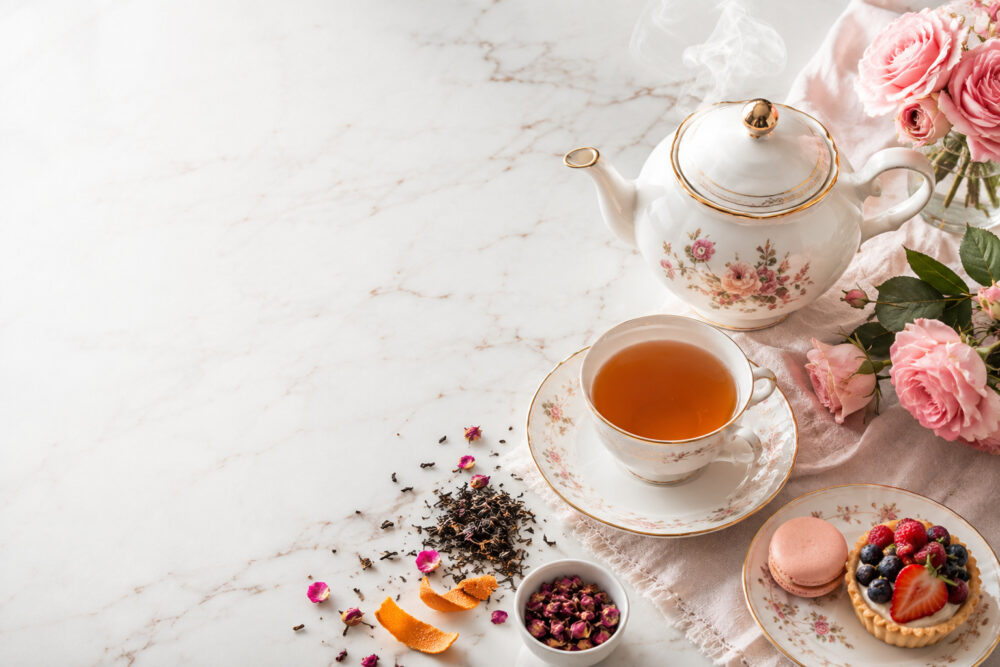
When people think of France, tea is rarely the first thing that comes to mind. Wine, cheese, croissants, and coffee at a sidewalk café usually take the spotlight. But tucked quietly behind all that famous food and drink culture is a tea tradition that is elegant, thoughtful, and surprisingly rich in history. French tea is not about rushing through a cup between meetings. It is about slowing down, enjoying good company, and treating a simple drink like a small piece of art.
If you are a tea lover anywhere in the world, from a quiet kitchen in Kyoto to a busy apartment in New York, there is something in French tea culture that will feel familiar and something that will feel wonderfully new. This guide will walk you through what French tea actually is, how it developed, what makes it different from British or Asian tea traditions, and how you can bring a little bit of French tea elegance into your own daily cup.
A Quick Introduction: What Do We Mean by “French Tea”?
French tea is not a single type of tea leaf. It is a way of enjoying tea that has grown out of French culture, taste, and lifestyle. It blends classic tea traditions from China, India, and England with France’s own love for fragrance, beauty, and fine living.
When someone talks about French tea, they usually mean one of three things:
- Tea blends created in France – Many world-famous tea houses are based in Paris, and they are known for mixing black, green, or white tea with flowers, fruits, and spices to create unique, fragrant blends.
- The French style of drinking tea – This includes how tea is served, the rituals around afternoon tea (called “le goûter” or a French tea time), and the calm, unhurried mood that surrounds it.
- The overall culture and art of tea in France – This includes tea salons, tea pairing with pastries, and tea as a symbol of relaxation and refined taste.
So when we ask “What is French tea?” we are really asking about a whole lifestyle, not just a drink in a cup.
A Short History of Tea in France
Tea reached Europe in the 1600s, brought by Dutch and Portuguese traders who had discovered it in China. France was actually one of the first European countries to receive tea, even before England. In the royal courts of the 17th century, tea was treated as an exotic and expensive treasure. It was often recommended by doctors as a health tonic rather than an everyday drink.
For many years, tea in France stayed mostly inside the world of the wealthy and the aristocracy. Coffee eventually became the more popular everyday drink for the general public because it was easier to prepare and became linked to lively café culture. Tea, on the other hand, kept a more elegant and special image.
This changed a great deal in the 19th and 20th centuries. French tea houses began experimenting with something coffee could never really offer: the art of blending. French tea creators started to think of tea the way perfumers think of scent. They began mixing tea leaves with flower petals, citrus peels, vanilla, spices, and fruit essences to design blends that told a story or captured a mood. This is where French tea truly found its own identity, separate from both Chinese tradition and British tea culture.
Today, France is home to some of the most respected and imaginative tea houses in the world. Tea in France is not just a drink; it is treated almost like a fine perfume or a gourmet dish, crafted with real care and creativity.
What Makes French Tea Different from Other Tea Traditions?
Every tea-drinking culture has its own personality. Chinese tea culture often focuses on purity, ritual, and the natural taste of the leaf. British tea culture is about comfort, routine, and pairing tea with milk and biscuits. Japanese tea ceremony is deeply spiritual and precise. French tea culture sits in its own special place, and here is what sets it apart.
1. The Art of Blending
This is the heart of French tea. While many cultures respect and celebrate pure, single-origin tea leaves, French tea makers are famous for their skill in blending. They treat tea the way a chef treats a recipe or a perfumer treats a fragrance. A single French tea blend might include black tea from Sri Lanka, rose petals, bergamot oil, vanilla pieces, and dried fruit, all balanced carefully so that no single ingredient overpowers the others.
This is very different from cultures where tea is meant to be enjoyed on its own, without any additions. In France, tea is often seen as a canvas, and the blender is the artist.
2. Fragrance Comes First
French tea blends are known for being highly aromatic. Walk into a French tea shop and you will immediately notice the air filled with the scent of caramel, red fruits, citrus, or exotic spices. This focus on smell connects tea to France’s deep love of perfume and fine scent-making. Choosing a French tea is often more about the fragrance you fall in love with than the strength of the caffeine.
3. Tea as a Lifestyle Product
In France, tea is sold and presented almost like a luxury item. Beautiful tins, elegant packaging, and creative names for each blend are part of the experience. A cup of tea becomes something you look forward to, not something you drink quickly out of habit.
4. A Culture of Tea Salons
France has a strong tradition of “salons de thé,” or tea salons. These are calm, pretty spaces, often filled with soft lighting, delicate furniture, and the smell of fresh pastries. People visit tea salons to relax, chat with friends, read a book, or enjoy a quiet moment alone. This is quite different from grabbing a to-go cup of tea and rushing off. In France, tea is something you sit down for.
5. The Pairing with French Pastries
No discussion of French tea is complete without mentioning food. Tea in France is almost always paired with something sweet: a macaron, a croissant, a slice of tart, or a delicate cake. The pairing is thoughtful. A light green tea might be served with a fruit tart, while a rich, spiced black tea blend might be paired with a chocolate pastry. This pairing culture turns tea time into a small event rather than a quick break.
The Main Types of Tea Enjoyed in France
French tea houses work with the same base tea types found around the world, but they add their own creative touch to almost every one of them.
Black Tea Blends
Black tea is one of the most popular bases in French tea culture. It is often blended with fruits like red berries, apple, or citrus, along with floral or spiced notes such as vanilla, cinnamon, or rose. These blends tend to be warm, comforting, and slightly sweet, even without adding sugar.
Green Tea Blends
Green tea is valued in France for its lighter, fresher character. French tea makers often combine green tea with mint, jasmine, citrus peel, or delicate flower petals. These blends are popular for afternoon tea because they feel refreshing and are gentle on the stomach.
White Tea Blends
White tea, known for its soft and delicate flavor, is often used in more elegant, premium French blends. It is usually paired with subtle flavors like light florals or soft fruit, since a heavy ingredient would overpower its gentle taste.
Herbal and Fruit Infusions
Known in France as “tisanes,” these are not technically tea since they contain no tea leaves at all. Instead, they are made from dried fruits, flowers, and herbs like chamomile, verbena, or hibiscus. Herbal infusions are extremely popular in France, especially in the evening, since they are naturally caffeine-free and considered soothing for both body and mind.
Rooibos Blends
French tea houses have also embraced rooibos, the naturally caffeine-free red tea from South Africa, and given it their signature treatment by blending it with vanilla, caramel, or spice notes. This has made rooibos a comforting, dessert-like option for tea lovers who want to avoid caffeine in the evening.
The French Tea Ritual: How Tea Is Enjoyed in France
Unlike the well-known British afternoon tea, with its formal tiers of sandwiches and scones, French tea culture is a little more relaxed but still deeply intentional. Here is what a typical French tea moment might look like.
Le Goûter: The French Tea Time
“Le goûter” is a beloved French tradition, especially popular with children and families, that happens in the late afternoon, usually between four and five o’clock. It is a small snack break that often includes tea or hot chocolate, paired with something simple and sweet like a slice of cake, a cookie, or a piece of baguette with chocolate.
While le goûter is traditionally associated with children coming home from school, adults enjoy their own quieter version of this ritual too, often as a peaceful pause between work and evening plans.
The Art of Presentation
In French tea culture, how tea looks matters almost as much as how it tastes. Tea is often served in beautiful porcelain cups, with loose leaves brewed carefully in a teapot rather than a simple tea bag tossed into a mug. Presentation is treated as part of the pleasure of drinking tea, not just a formality.
Taking Time to Slow Down
Perhaps the biggest gift of French tea culture is the idea of slowing down. In a world that often feels rushed, sitting with a cup of tea in France is seen as a small act of self-care. It is a moment to pause, breathe, and enjoy something simple without hurrying to the next task.
Famous French Tea Houses Around the World
Several French tea brands have become internationally beloved, known for their creativity and quality. While we won’t dive into specific commercial names here, it is worth knowing that French tea houses generally share a few things in common:
- A wide variety of creative, flavor-forward blends
- Elegant, often collectible packaging
- A strong focus on natural ingredients like real dried fruit and flower petals
- Seasonal collections, similar to how fashion houses release new collections
- A close relationship between tea and gourmet food culture
If you visit a French tea shop, whether in Paris or in a boutique elsewhere in the world, you will likely notice large glass jars filled with different loose leaf blends, each with an evocative name meant to spark curiosity and imagination.
How to Bring French Tea Culture Into Your Everyday Life
You do not need to live in Paris to enjoy the French approach to tea. Here are some simple ways to bring a bit of French tea elegance into your daily routine, no matter where you are in the world.
1. Choose Loose Leaf Tea When You Can
French tea culture places high value on loose leaf tea rather than tea bags. Loose leaves generally offer richer flavor and a more satisfying experience. Investing in a simple teapot with a built-in strainer can make a noticeable difference in your daily cup.
2. Explore Flavored Blends
If you have only ever tried plain black or green tea, French tea culture invites you to explore. Try a black tea blended with red fruits, or a green tea infused with jasmine and citrus. Let your sense of smell guide your choices, just as the French do.
3. Pair Your Tea Thoughtfully
Instead of drinking tea on its own, try pairing it with something simple and sweet, like a small piece of dark chocolate, a shortbread cookie, or a slice of fruit tart. Notice how the flavors work together.
4. Create a Tea Time Ritual
Set aside fifteen to twenty minutes in your afternoon, just like the French tradition of le goûter. Turn off notifications, prepare your tea with care, and enjoy it without multitasking. This small ritual can become a peaceful highlight of your day.
5. Invest in Beautiful, Simple Tea Ware
You do not need expensive porcelain to enjoy the French approach. Even choosing one favorite cup that you love holding, and using it consistently for your tea moments, can make the experience feel more special and intentional.
6. Experiment with Herbal Infusions in the Evening
Following the French habit of tisanes, try switching to a caffeine-free herbal infusion like chamomile, verbena, or hibiscus in the evening. This can be a gentle, calming way to end your day.
Why French Tea Culture Resonates With Tea Lovers Worldwide
Tea lovers around the world are often drawn to French tea culture because it offers something a little different from other traditions. It is not about strict rules or complicated ceremony. It is not about speed or convenience either. Instead, French tea culture offers a gentle invitation: slow down, enjoy the fragrance, appreciate the presentation, and treat tea time as a small, meaningful pause in your day.
Whether you are someone who has been drinking tea your whole life or someone who is just beginning to explore different tea cultures, French tea offers a beautiful lesson. It reminds us that even the simplest daily habits, like brewing a cup of tea, can be turned into moments of beauty, comfort, and joy.
Final Thoughts
French tea is much more than tea grown or picked in France. It is a philosophy, a craft, and a lifestyle built around fragrance, creativity, elegance, and the simple pleasure of slowing down. From the artistry of blending flowers and fruits with tea leaves, to the quiet charm of a Parisian tea salon, to the comforting daily ritual of le goûter, French tea culture invites all of us, no matter where we live, to enjoy our tea with a little more intention and a little more joy.
So the next time you sit down with your favorite cup, take a page from the French tea tradition. Breathe in the aroma before your first sip. Pair it with something sweet. Slow down, even if just for a few quiet minutes. That, in its simplest form, is the true art of French tea.
Find your next cup.
Need help choosing your tea? Tell us what you enjoy, and our team will help you find your next cup.