
Best Tea House in Tokyo: A Guide to an Exceptional Tea Experience
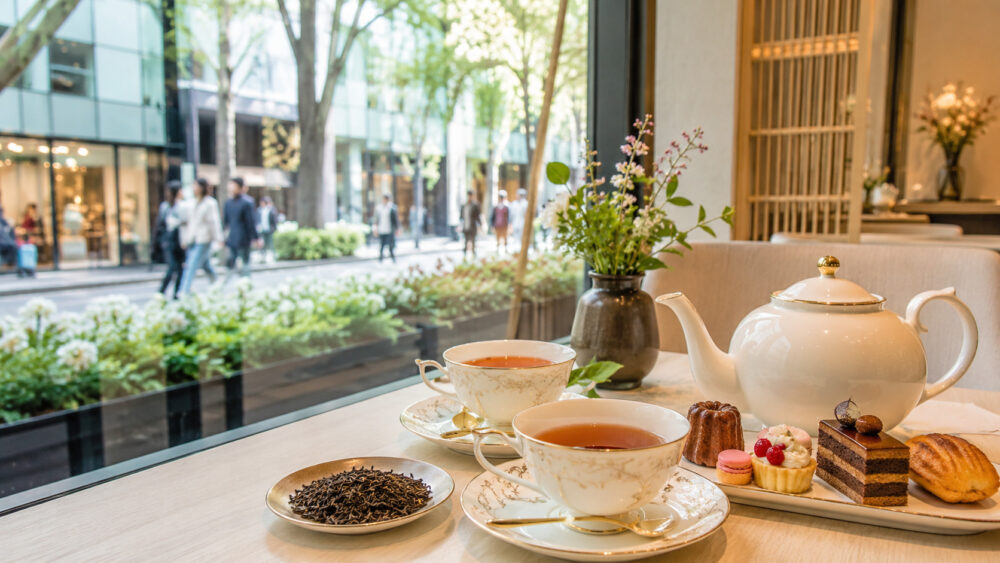
Tokyo offers one of the widest ranges of tea experiences of any city in the world — from centuries-old tea ceremony traditions to contemporary matcha bars, and from quiet neighbourhood tea shops to elaborate tea salons built for a long, unhurried afternoon. What counts as the “best” tea house really depends on what you’re looking for: a formal Japanese tea ceremony, a matcha-focused café, a premium loose-leaf tea selection, an afternoon of tea paired with desserts, or simply a distinctive, atmospheric place to sit down and slow down.
Alongside its deep-rooted Japanese tea culture, Tokyo is also home to tea experiences shaped by international traditions. One example is Salon de Thé JANAT Omotesando, a French-heritage tea salon in one of the city’s most walkable and design-conscious neighbourhoods. This guide explains what to look for in a great Tokyo tea house, how the main types differ, and where JANAT Omotesando fits into that picture.
Tokyo Is a City for Serious Tea Lovers
Few cities offer as much depth and range in tea culture as Tokyo. Visitors can move between genuinely different tea traditions within the same afternoon.
At the traditional end, matcha — finely ground shade-grown green tea, whisked into a frothy liquid — remains closely tied to the formal Japanese tea ceremony (sado or chado), where the preparation and serving of tea follow a ritualised, meditative structure. Sencha, Japan’s most commonly consumed green tea, is made from leaves that are steamed shortly after picking, giving it a grassy, slightly vegetal character. Gyokuro, grown in the shade like matcha before being rolled into leaves rather than ground into powder, is prized for its concentrated umami sweetness and is generally considered one of Japan’s more premium green teas. Hojicha, a roasted green tea, offers a toasted, low-caffeine alternative with a warmer, nuttier flavour than its unroasted counterparts.
Beyond these traditional categories, Tokyo’s tea scene has expanded to include flavoured and blended teas, contemporary tea salons with modern interiors and global tea lists, and tea served alongside both Japanese wagashi and European-style pastries. Not every tea house in the city serves every one of these styles — a specialist matcha bar and a French-style tea salon are built around very different ideas of what a “tea experience” should be, and neither is a substitute for the other.
What Makes a Great Tea House in Tokyo?
A handful of practical factors separate a memorable tea house from an ordinary café that happens to serve tea.
Quality and Variety of Tea
The foundation of any good tea house is the tea itself: freshness, sourcing, and how it’s brewed. A strong tea list gives visitors room to try something unfamiliar — a single-origin sencha, a rare gyokuro, or a well-made flavoured blend — rather than offering tea as an afterthought to coffee and cake.
Atmosphere
Tea is inherently a slower ritual than grabbing a coffee to go. The right setting — whether that’s the quiet formality of a traditional tea room or the relaxed, storytelling atmosphere of a themed salon — shapes how enjoyable that slower pace actually feels.
Tea and Food Pairing
Pairing tea with the right food changes the experience considerably. A tea chosen to complement a wagashi sweet, a scone, or a slice of cake brings out different notes than drinking the same tea on its own, which is part of why tea-and-dessert pairings are such a draw for visitors.
Service and Tea Knowledge
Because tea menus can be extensive and unfamiliar — especially to visitors — knowledgeable staff who can explain a tea’s character, suggest a pairing, or recommend something based on taste preference add real value beyond simply taking an order.
Location and Accessibility
For travellers working around a packed itinerary, a tea house’s neighbourhood and proximity to public transport can matter as much as the tea itself. A central, walkable location makes it realistic to fit a proper tea break into a day of sightseeing or shopping.
Traditional Japanese Tea House vs Modern Tea Salon
Both formats have a place in Tokyo’s tea scene, and the right one depends entirely on what kind of experience you want.
| Experience | Traditional Japanese Tea House | Modern Tea Salon |
|---|---|---|
| Tea Focus | Matcha, sencha, gyokuro, tea ceremony practice | Broader tea selection, often including flavoured or international teas |
| Atmosphere | Quiet, formal, rooted in ritual and tradition | Relaxed, thematic, often design-led |
| Food Pairing | Wagashi (traditional Japanese sweets) | Cakes, pastries, or European-style desserts |
| Experience | Structured, sometimes ceremonial | More casual, conversational, and social |
| Best Suited For | Visitors seeking cultural depth and tradition | Visitors seeking atmosphere, variety, and a relaxed pace |
| Typical Visit | Shorter, focused sessions, sometimes reservation-only | Longer sittings over tea, lunch, or dessert |
A Different Tea Experience in Omotesando
For visitors interested in how tea traditions outside Japan translate into a Tokyo setting, Salon de Thé JANAT Omotesando offers a French tea-house perspective within one of the city’s most walkable shopping districts.
JANAT is a French tea house that traces its roots to Paris, with its flagship boutique historically located near the Eiffel Tower. In Tokyo, the brand operates its salon in Omotesando, bringing a French-inspired approach to tea service — including table service, a dedicated tea and dessert menu, and an interior built around storytelling rather than a conventional café layout.
Rather than positioning itself as a competitor to Japan’s traditional tea houses, the salon offers something distinct: a European tea-house format, adapted for a Tokyo audience, sitting alongside the city’s deep bench of Japanese tea specialists.
Inside Salon de Thé JANAT Omotesando
According to JANAT’s official information, the Omotesando salon is designed around the theme of Janat Dores’s travels — the founder’s journeys are referenced throughout the space, which displays historical belongings connected to him. The idea is to give visitors a sense of stepping into that travel narrative rather than a standard café setting.
The salon offers a tea selection that includes salon-limited teas not necessarily found elsewhere, alongside lunch and dessert service. Its signature dessert line, “Gateaux de Voyage,” is freshly baked on site. Rather than functioning purely as a tea shop, the space is set up for a proper sit-down visit — tea, food, and atmosphere considered together rather than tea served as a quick takeaway.
Tea and French-Inspired Desserts
One of the clearer differences between a French-style tea salon and a traditional Japanese tea house is the food pairing. Where a Japanese tea ceremony or tea house typically pairs tea with wagashi, a French tea salon tends to build its food menu around cakes, pastries, and other baked goods — a pairing tradition rooted in French afternoon tea culture.
At JANAT Omotesando, the in-house baked Gateaux de Voyage dessert selection reflects that French tea-salon approach, offering a different kind of pairing experience from the wagashi typically served in traditional Japanese settings. For current dessert options, tea selections, and pricing, it’s worth checking JANAT’s official tea room page or the salon’s reservation listing directly, since menus can change seasonally.
Why Omotesando Is a Great Area for Tea
Omotesando is one of Tokyo’s most design-conscious neighbourhoods, known for its tree-lined main avenue, flagship fashion boutiques, and a concentration of architecturally notable buildings. It sits adjacent to Harajuku, giving visitors easy access to a very different — louder, more youth-driven — side of Tokyo street culture within a short walk.
For anyone building a day around shopping, browsing design stores, or simply walking the area’s well-known streets, a tea break in Omotesando fits naturally into that itinerary. The neighbourhood’s mix of international boutiques and independent cafés also means visitors can pair a tea house visit with browsing, without needing to travel across the city.
Who Might Enjoy JANAT Omotesando?
A French-style tea salon in Omotesando won’t be the right fit for every visitor, but it tends to appeal to:
- Tea enthusiasts curious about how a French tea-house tradition is expressed in Tokyo.
- Couples or friends looking for an unhurried afternoon tea setting rather than a quick café stop.
- International visitors interested in a tea experience that isn’t strictly Japanese in format.
- French tea enthusiasts who want to find a familiar style of tea salon while travelling.
- People exploring Omotesando who want to build a tea break into a day of shopping or sightseeing.
- Visitors looking specifically for tea paired with dessert, rather than tea on its own.
- Gift shoppers interested in tea as a takeaway souvenir alongside the on-site experience.
It’s less likely to suit visitors specifically seeking a traditional Japanese tea ceremony experience, since that’s a different tradition altogether — and one worth seeking out separately.
Planning Your Visit to JANAT Omotesando
| Name | Salon de Thé JANAT Omotesando |
| Area | Omotesando / Jingumae, Shibuya, Tokyo |
| Address | 5-46-10 Jingu-mae, Shibuya 150-0001, Tokyo, Japan |
| Nearest Station | Omotesando Station |
| Access | Tokyo Metro Ginza Line / Hanzomon Line, approximately 5 minutes’ walk |
| Opening Hours | 11:00–19:00 |
| Closed | Tuesdays |
| Lunch Service | 11:00–15:00 (last order 14:30) |
| Tea Time Service | 15:00–19:00 (last order 18:30) |
| Telephone | 03-6418-8272 |
| Official Website | Salon de Thé JANAT Omotesando |
Opening hours and service times may change. Check JANAT’s official Tea Room page before visiting.
Opening hours, closing days, and reservation policies can change, so it’s worth confirming current details directly on JANAT’s official tea room page or by phone before travelling, particularly around public holidays.
How to Choose the Right Tokyo Tea House for You
| If You’re Looking For | Consider |
|---|---|
| Traditional Japanese atmosphere | A traditional tea house |
| A matcha-focused experience | A Japanese tea specialist café |
| A formal tea ceremony | A dedicated tea ceremony experience |
| Modern Japanese tea in a contemporary setting | A contemporary Japanese tea salon |
| A French tea-house experience | A French-style tea salon, such as JANAT Omotesando |
| Tea paired with desserts | A tea salon built around a food and tea pairing menu |
| A convenient Omotesando location | A tea room in or around Omotesando |
Make Tea Part of Your Tokyo Experience
It’s easy to treat tea as an incidental part of a Tokyo trip — something ordered alongside a meal rather than sought out on its own. But given how much variety the city offers, from formal tea ceremony traditions to internationally influenced tea salons, setting aside dedicated time for tea can turn into one of the more memorable parts of a visit, rather than an afterthought.
Whether that means booking a traditional tea ceremony experience, seeking out a specialist matcha café, or spending an unhurried afternoon at a tea salon with dessert, treating tea as a destination in itself — rather than a drink on the side — tends to leave a stronger impression of the city’s tea culture as a whole.
Frequently Asked Questions
1. What is the best tea house in Tokyo?
There isn’t one single “best” tea house for every visitor — it depends on what you’re looking for. Someone seeking a traditional Japanese tea ceremony will want a different setting than someone seeking premium loose-leaf tea, a matcha-focused café, or a French-style tea salon with afternoon tea and desserts.
2. Where can I drink premium tea in Tokyo?
Tokyo has numerous specialist tea shops and salons offering premium loose-leaf and single-origin teas, ranging from Japanese green tea specialists to international tea houses such as JANAT Omotesando, which offers a curated tea selection alongside lunch and dessert.
3. Where can I have tea in Omotesando?
Omotesando has several cafés and tea salons, including Japanese tea specialists and international tea houses. Salon de Thé JANAT Omotesando is one option for visitors interested in a French tea-salon format within walking distance of Omotesando Station.
4. Does Tokyo have traditional tea houses?
Yes. Tokyo has numerous traditional tea houses and tea ceremony venues where visitors can experience matcha preparation and the formal rituals associated with Japanese tea culture, alongside specialist cafés focused on sencha, gyokuro, and other Japanese green teas.
5. Where can I experience a French tea salon in Tokyo?
Salon de Thé JANAT Omotesando offers a French tea-house format in Tokyo, bringing table service, a dedicated tea and dessert menu, and a travel-themed interior to the Omotesando neighbourhood.
6. Does JANAT have a tea room in Tokyo?
Yes. JANAT operates Salon de Thé JANAT Omotesando, located a short walk from Omotesando Station, offering a salon tea selection, lunch, and dessert service.
7. Where is JANAT Omotesando?
The salon is located at 5-46-10 Jingu-mae, Shibuya, Tokyo, approximately five minutes’ walk from Omotesando Station via the Tokyo Metro Ginza or Hanzomon lines.
8. What can you have at JANAT Omotesando?
According to JANAT’s official information, the salon offers a salon-limited tea selection alongside lunch and dessert, including its in-house baked Gateaux de Voyage dessert line. For current menu specifics, check JANAT’s official tea room page directly, as offerings can change.
9. How far is JANAT from Omotesando Station?
JANAT’s official information lists the salon as approximately five minutes’ walk from Omotesando Station via the Ginza or Hanzomon subway lines.
10. Is a Tokyo tea house worth visiting for tourists?
For visitors interested in tea culture, yes — Tokyo offers everything from formal tea ceremony experiences to contemporary and internationally influenced tea salons, making it possible to build a distinctive, unhurried experience around tea rather than treating it as a quick stop.
Final Thoughts
Tokyo doesn’t have a single “best” tea house that suits every visitor. The right choice depends on the kind of experience you’re after — whether that’s the formality of a traditional tea ceremony, a matcha-focused café, a contemporary Japanese tea salon, or a French tea-house tradition brought to a Tokyo setting.
For visitors specifically interested in premium tea, French tea-house character, dessert pairings, a distinctive travel-themed setting, and a convenient Omotesando location, Salon de Thé JANAT Omotesando is worth considering as part of that search.
Discover Salon de Thé JANAT Omotesando and make tea part of your next visit to Tokyo.
Find your next cup.
Need help choosing your tea? Tell us what you enjoy, and our team will help you find your next cup.