
What Makes a Premium Tea Different from Regular Tea?
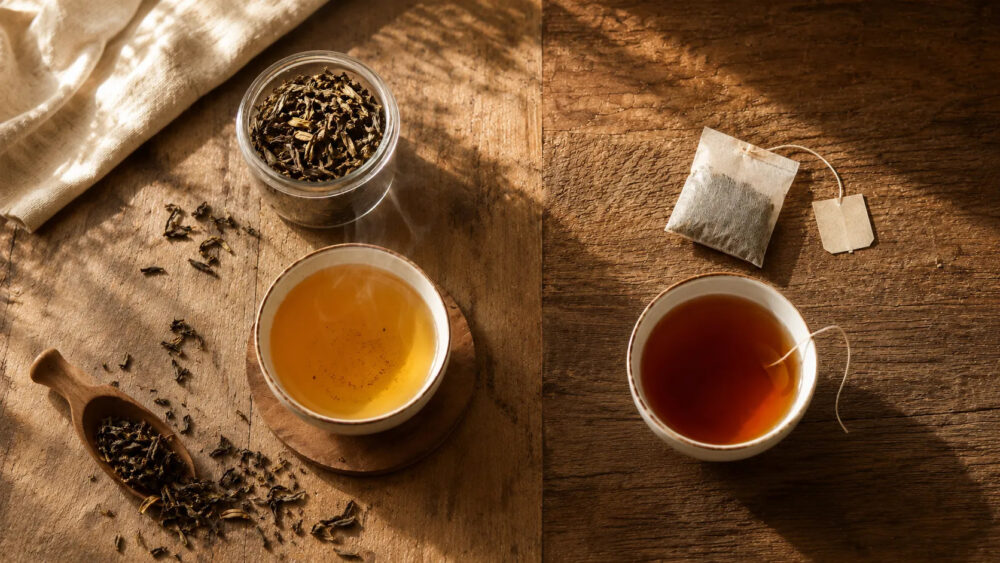
There is a moment every tea lover knows well. You lift a warm cup to your face, breathe in before the first sip, and somehow already know whether this cup will be ordinary or unforgettable. That small pause, that quiet moment of anticipation, is where the real story of tea begins.
Tea is one of the most loved drinks in the world. From a busy street corner in Tokyo to a quiet countryside home in England, from a family kitchen in China to a cosy café in Istanbul, tea connects people across cultures, languages, and generations. But not all tea is the same. Some cups feel like a warm hug. Others feel flat, dull, or forgettable. So what is the real difference between premium tea and regular tea? Is it just the price tag, or is there something deeper?
After spending years exploring tea gardens, talking to tea makers, and tasting hundreds of cups, one thing becomes very clear: premium tea is not a marketing term. It is a result of careful choices made at every single step, from the soil where the tea plant grows to the cup you finally hold in your hands. Let’s break this down in the simplest way possible, so that any tea lover, anywhere in the world, can understand exactly what they are paying for and why it matters.
It All Begins with the Leaf
Regular tea, the kind you find in most supermarket boxes, is often made using tea dust or small broken leaf pieces. These are leftover bits collected after the best leaves have already been picked out. They brew fast, look strong, and are cheap to produce. But they usually lack depth and character.
Premium tea, on the other hand, starts with whole leaves or carefully selected leaf buds. Skilled tea pickers, often working by hand, choose only the top two leaves and a bud from the tea plant. This part of the plant is the youngest and most tender, and it holds the richest flavour and aroma. Machine harvesting, which is common for regular tea, cannot be this selective. It picks everything in its path, good leaves and rough leaves together.
This single difference, hand-picked versus machine-harvested, sets the tone for everything that follows.
The Land and Climate Matter More Than You Think
Just like wine grapes taste different depending on where they grow, tea leaves absorb the character of their land. This idea is often called “terroir.” A tea plant grown high in the misty hills of Darjeeling will taste completely different from one grown in the flatlands of Assam, even if both are the same tea species.
Premium teas usually come from specific regions known for their unique growing conditions, cool mountain air, mineral-rich soil, seasonal rainfall, and the right altitude. These natural factors slowly build complex flavours inside the leaf.
Regular tea is often blended from many different regions and countries, mixed together to create a consistent, mass-market taste. This makes it affordable and always the same, cup after cup, but it also means the tea loses any sense of place or story. Premium tea lovers often know exactly which garden or estate their tea came from. That connection to the land is part of what makes the experience feel special.
The Season of Harvest Changes Everything
Here is something many people never think about: tea, like fruit, has seasons. The very first harvest of the year, often called the “first flush,” produces leaves that are light, delicate, and full of fresh flavour. Later harvests can taste heavier or more bitter.
Premium tea brands often highlight which flush or harvest season their tea comes from, because true tea lovers around the world specifically look for early-season leaves. Regular tea is usually harvested throughout the year without much attention to these seasonal differences, since the goal is volume, not subtlety.
Processing: The Hidden Art Behind Every Cup
This is where the real craftsmanship shows. After leaves are picked, they go through several steps: withering, rolling, oxidation, and drying. How carefully and skillfully these steps are done decides the final taste, aroma, and even the health benefits of the tea.
In premium tea production, this process is often done slowly and by hand or with great care, sometimes taking hours or even days. Tea makers constantly check the color, smell, and texture of the leaves, adjusting timing based on experience and instinct built over years. It is closer to an art form than a factory process.
Regular tea, especially the kind sold in large commercial packets, usually goes through fast, machine-driven processing (CTC method: Crush, Tear, Curl). This method is efficient and produces strong, quick-brewing tea perfect for teabags, but it sacrifices the delicate flavours that slower processing preserves.
Whole Leaves vs Tea Dust: What’s Really in Your Cup?
Open a regular teabag and you will usually find tiny broken pieces or fine dust. This is what’s left after larger, better leaves are removed for higher-grade products. These small pieces brew quickly and give a strong colour, but the taste is often one-dimensional, sometimes even slightly bitter or flat.
Premium tea usually comes as whole, unbroken leaves. When you place them in hot water, you can literally watch them unfurl and open up, almost like they are coming back to life. This slow release allows layers of flavour to develop in the cup, rather than one quick, strong hit of taste. Many tea lovers say that watching whole leaves unfurl is part of the joy of drinking tea, it feels more like a ritual than a routine.
Aroma: The First Sign of Quality
Before you even taste tea, your nose already knows a lot about it. Premium teas often have a rich, layered aroma, floral, fruity, earthy, or malty, depending on the type. This aroma comes from natural oils and compounds that are preserved when the tea is processed with care and stored properly.
Regular tea often smells flat, dusty, or overly strong in a one-note way. This happens because mass-produced tea is processed quickly and stored in bulk for long periods, which causes it to lose its natural fragrance over time.
Taste That Tells a Story
A regular cup of tea usually tastes straightforward, strong, slightly bitter, and mostly one flavour from start to finish. It does its job: it wakes you up, it warms you, it’s familiar.
A premium cup of tea, however, often has a “journey” in the mouth. There might be a soft floral note at first, followed by a light sweetness, and finishing with a smooth, lingering taste that stays with you even after you’ve swallowed. Tea experts often call this the “finish,” and it’s one of the biggest differences between a basic cup and a truly memorable one.
This doesn’t mean premium tea is always more delicious for everyone; taste is personal. But it does mean premium tea offers more complexity and more to explore.
Purity: What’s Not in Your Cup Matters Too
Premium tea brands often focus heavily on purity, meaning fewer or no artificial additives, no unnecessary flavouring chemicals, and often organic or pesticide-free farming. Since the leaves are the star of the show, there is less need to hide poor quality behind added flavours.
Some regular teas, especially cheaper flavoured varieties, use artificial scents and flavour compounds to make up for the lack of natural taste in lower-quality leaves. This isn’t always harmful, but it does mean you are tasting something manufactured rather than something natural.
Packaging and Storage: Small Details, Big Impact
Tea is surprisingly delicate. It absorbs moisture, odours, and light very easily, all of which can ruin its flavour over time. Premium tea brands usually invest in proper packaging, airtight tins, foil-lined pouches, or vacuum sealing, to protect the tea’s natural aroma and freshness until it reaches your cup.
Regular tea is often packed in simple paper boxes or thin plastic wrapping, which is more affordable but offers less protection. Over time, this can lead to a duller, staler taste, especially if the tea sits on a store shelf for many months.
The People Behind the Tea
One of the most beautiful parts of premium tea culture is the human connection behind it. Many premium teas are produced by small, dedicated farms or estates where tea-making has been passed down through generations. There is pride, patience, and personal care in every batch.
Regular tea is often produced through large-scale industrial operations designed for speed and consistency. This isn’t a bad thing, it makes tea accessible and affordable for millions of people worldwide, but it does mean less individual attention to each batch of leaves.
Price: Understanding What You’re Really Paying For
It’s natural to wonder if premium tea is “worth it.” The truth is, when you buy premium tea, you are not just paying for leaves. You are paying for:
- Careful hand-picking instead of machine harvesting
- Specific regions and seasons known for better flavour
- Slower, skill-based processing
- Better packaging and storage
- Support for smaller farms and traditional tea-making methods
Regular tea is not “bad” tea. It serves a wonderful purpose: a quick, comforting, affordable cup for everyday life. But premium tea is designed for those moments when you want to slow down and truly experience what tea can be.
Health Benefits: Is Premium Tea Actually Better for You?
Many tea lovers believe premium tea offers more health benefits, and there’s some truth to this. Since premium teas are less processed and often free from artificial additives, they tend to retain more natural antioxidants and beneficial plant compounds. Fresher, higher-quality leaves generally mean a purer, more natural cup.
That said, regular tea still offers many of tea’s well-known benefits, like hydration, comfort, and mild caffeine energy, so it isn’t something to dismiss. The difference lies more in purity and richness rather than one being “healthy” and the other “unhealthy.”
Bringing It All Together
So, what truly makes premium tea different from regular tea? It comes down to intention. Every step, from the leaf on the plant to the cup on your table, is handled with more care, more skill, and more respect for the natural product. Premium tea isn’t just a drink; it’s a small, quiet celebration of nature, patience, and craftsmanship.
Regular tea, meanwhile, remains an important and much-loved part of daily life for millions of people. It’s fast, familiar, and comforting, a reliable companion during busy mornings and long days.
At the end of the day, both have their place. The real joy for any tea lover is understanding these differences and choosing the right cup for the right moment, whether that’s a quick everyday brew or a slow, mindful sip of something truly special.
So next time you make a cup of tea, pause for a second before that first sip. Notice the aroma. Notice the colour. Notice the taste as it unfolds. That little moment of attention is really what separates an ordinary cup from an extraordinary one, no matter where in the world you’re drinking it from.
Find your next cup.
Need help choosing your tea? Tell us what you enjoy, and our team will help you find your next cup.